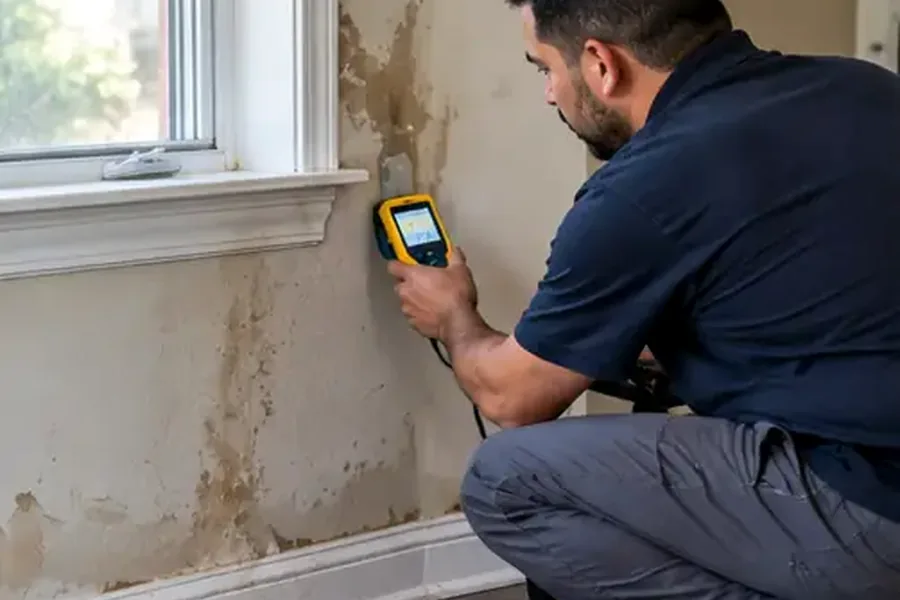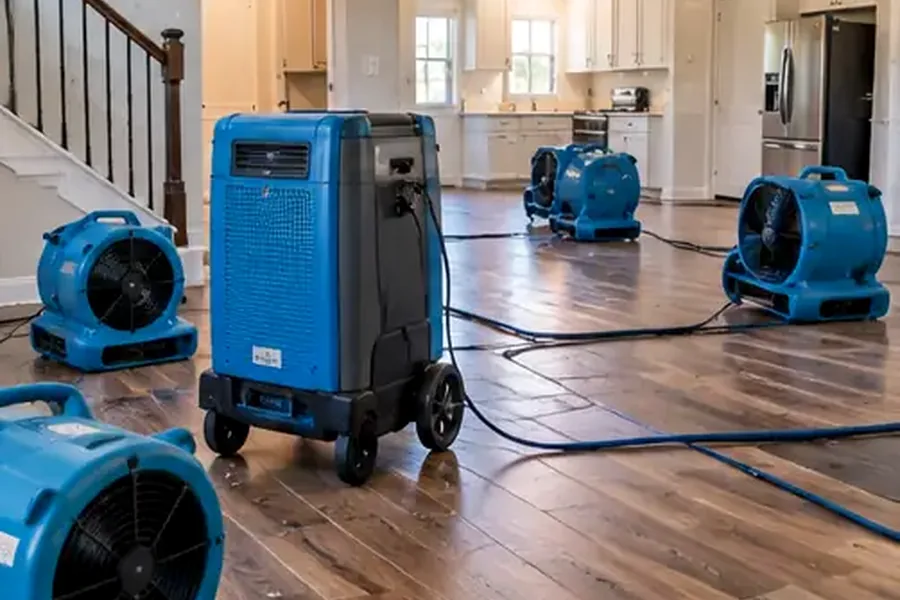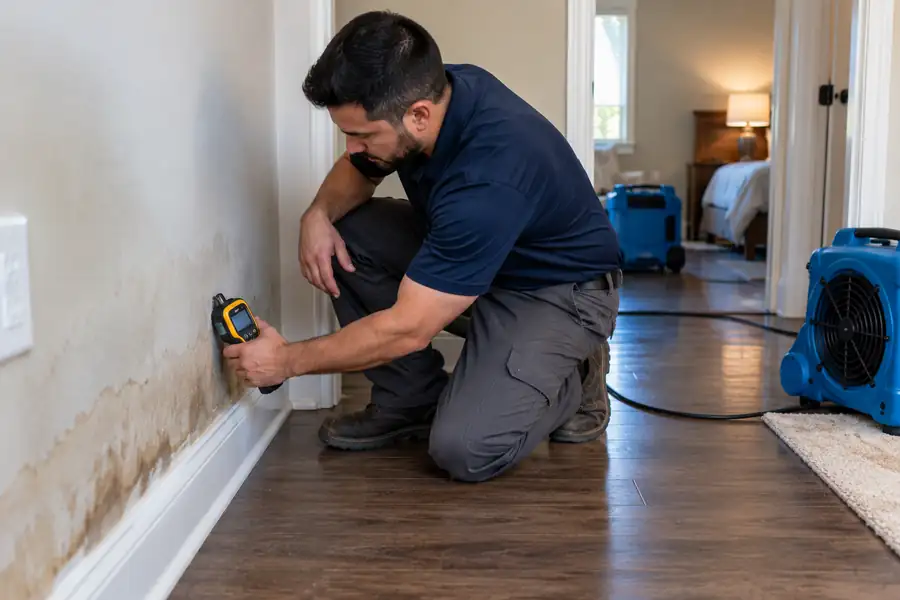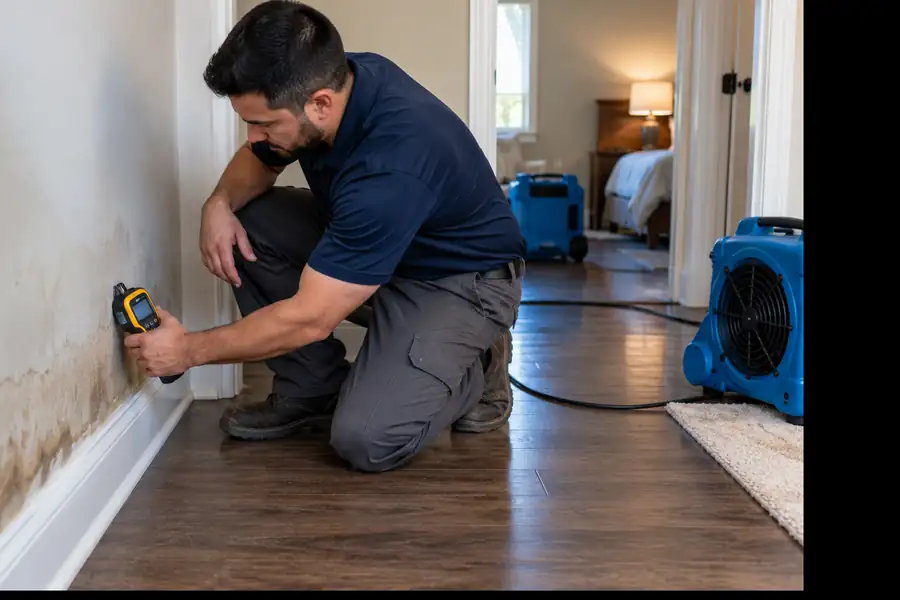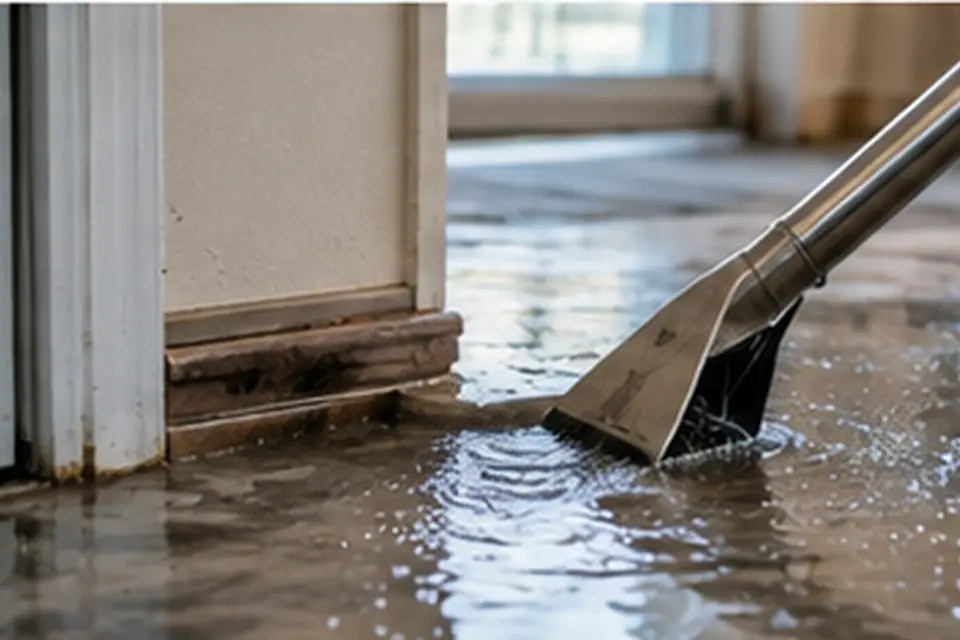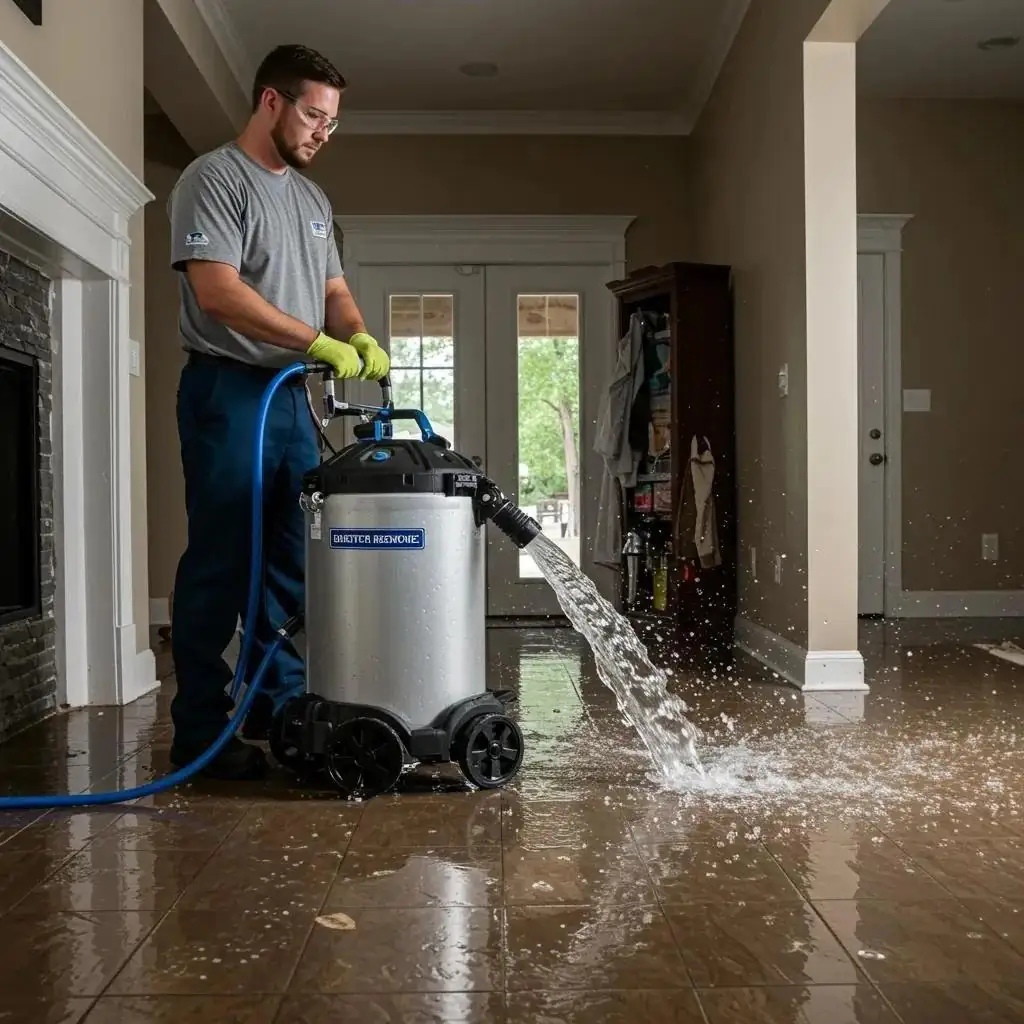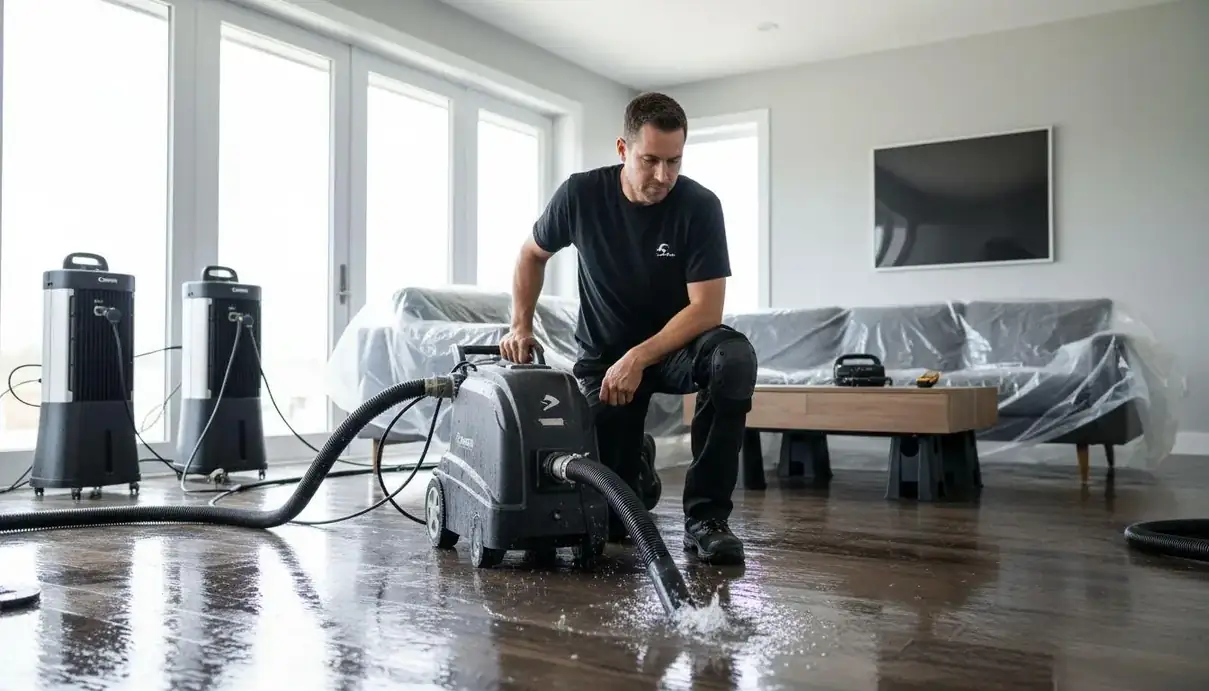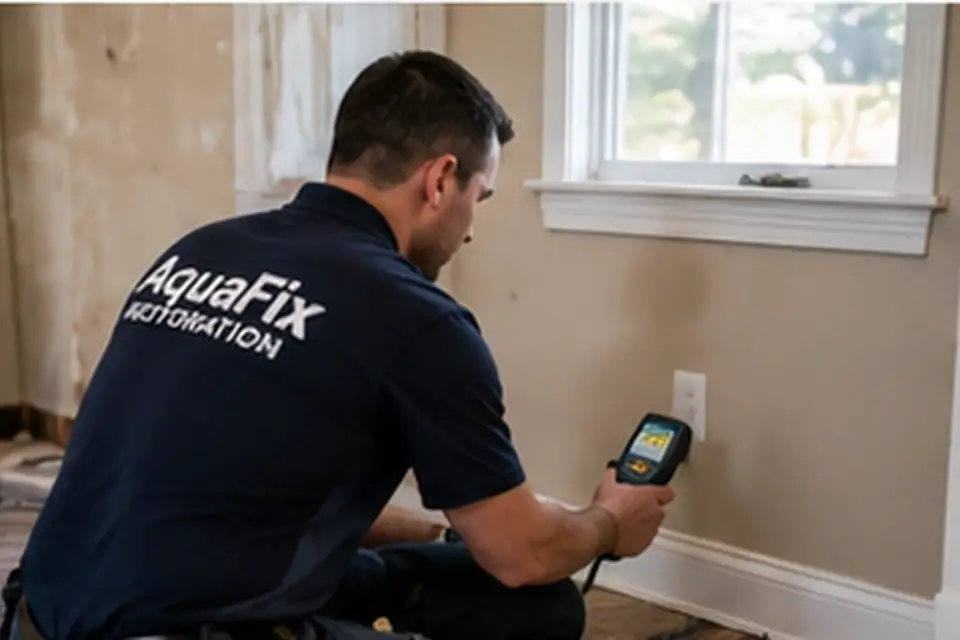
What to Do Immediately After Water Damage in Your California Home
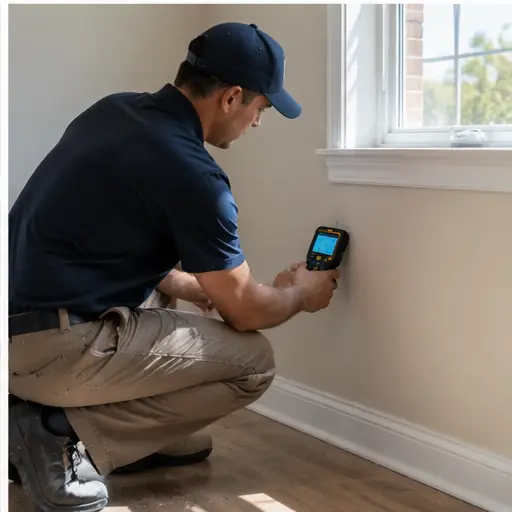
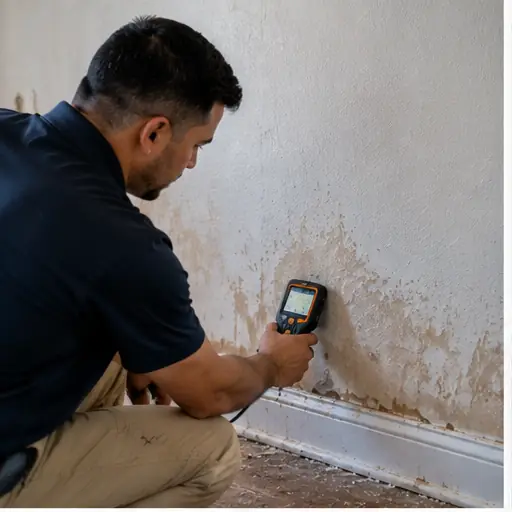
Water damage in your California home? Follow these practical first steps for safety, documentation, water removal, drying and deciding who to call.
Read the Guide →Clear, useful answers for property owners dealing with leaks, wet materials, extraction, drying and restoration decisions. Start with the problem you are trying to solve.
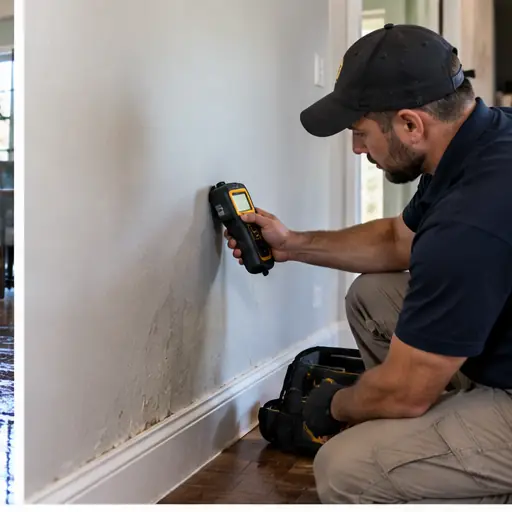
Water damage in your California home? Follow these practical first steps for safety, documentation, water removal, drying and deciding who to call.
Read the Guide →
Understand the water damage restoration process from assessment and extraction through mitigation, structural drying, material decisions and repairs.
Read the Guide →
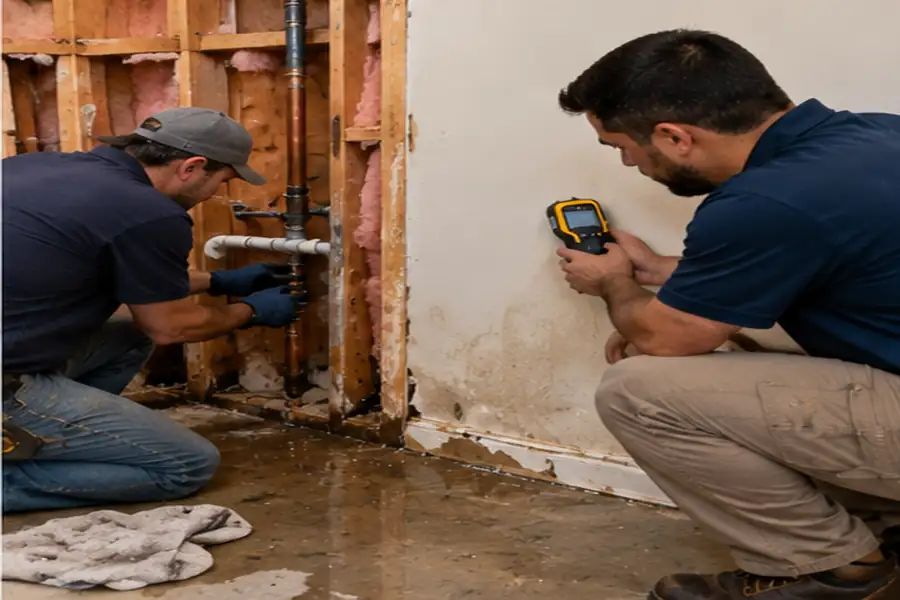
Learn what can happen when water damage is left untreated, including hidden moisture, material deterioration, odors and conditions that can support mold growth.
Read the Guide →
Can you stay home during water damage restoration? Learn which safety, contamination, access, noise and drying factors can affect that decision.
Read the Guide →
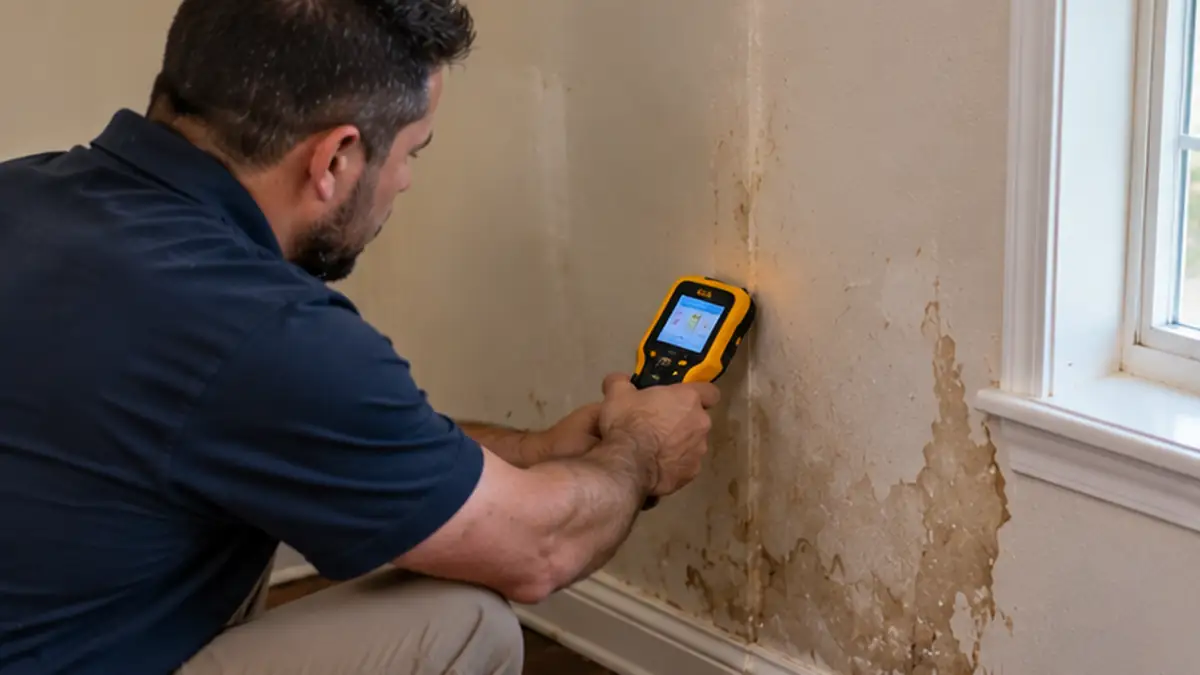
A practical guide to deciding whether water-damaged drywall, flooring, furniture and other materials may be dried, cleaned, restored or removed.
Read the Guide →
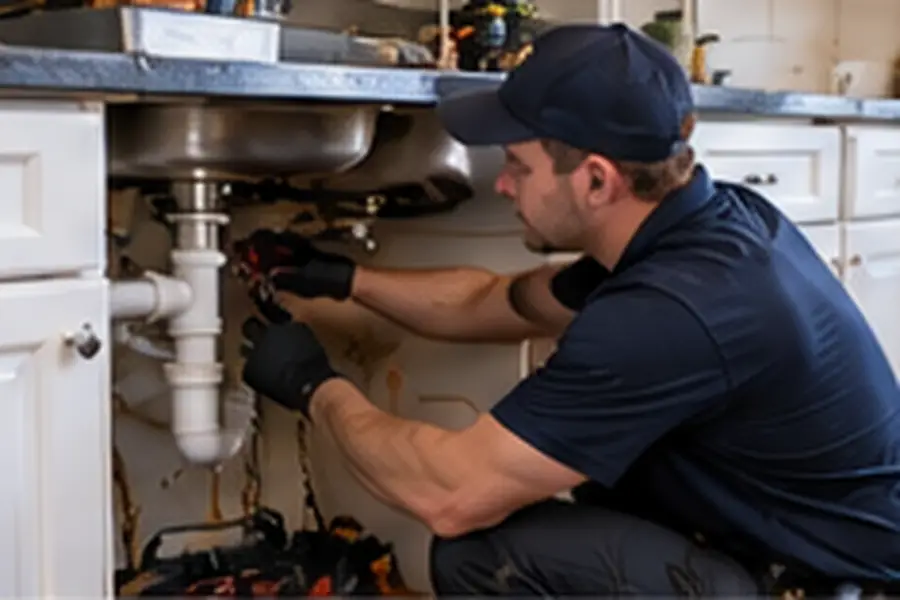
A practical California homeowner guide to deciding when you need a plumber, a water damage restoration company, or both after a leak, overflow, or burst pipe.
Read Guide →
What California homeowners should do after a burst pipe, from shutting off water and documenting damage to extraction, mitigation, and structural drying.
Read Guide →
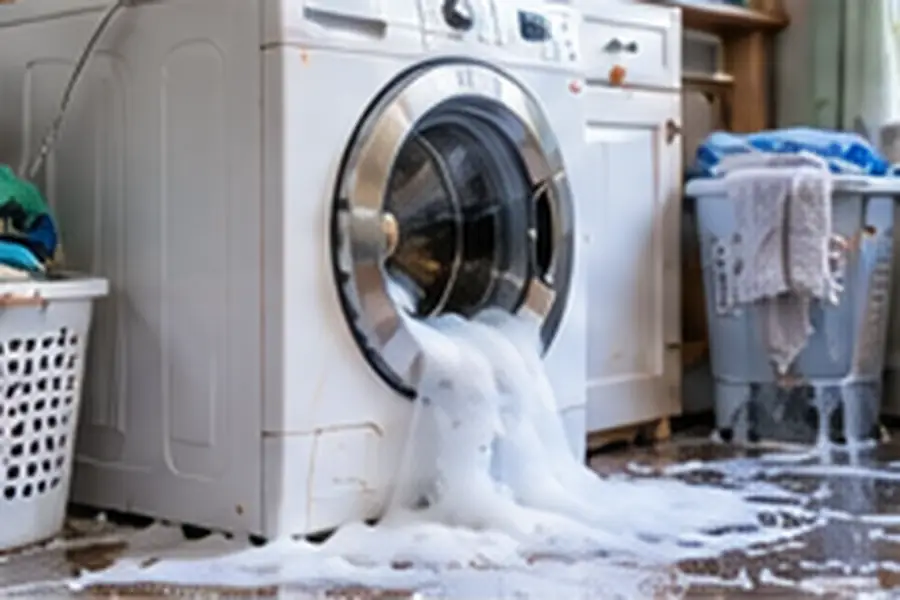
A homeowner guide to washing-machine overflow and supply-line water damage, including immediate steps, hidden moisture, extraction, drying, and insurance documentation.
Read Guide →
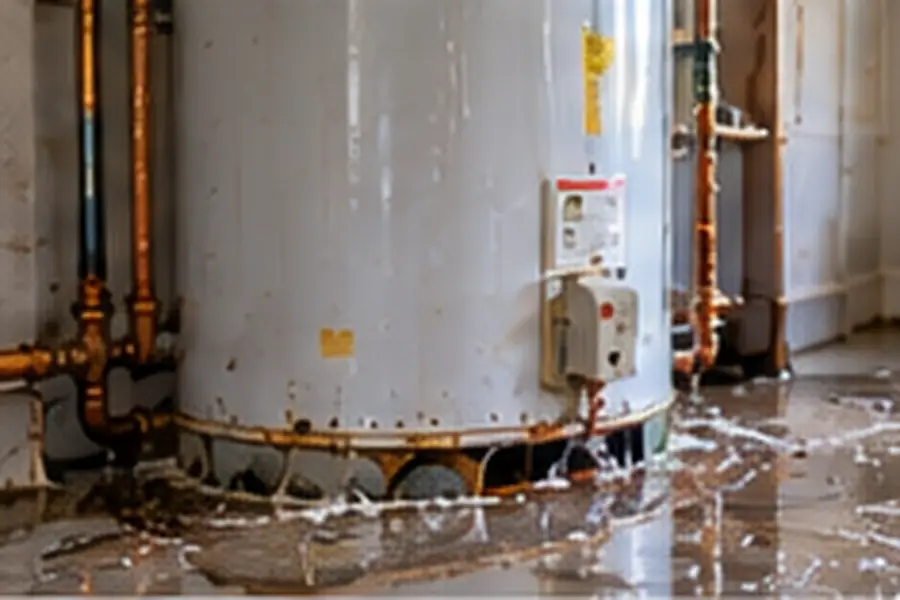
What to do after a leaking or failed water heater affects floors, drywall, garages, closets, or nearby rooms, with guidance on extraction and structural drying.
Read Guide →
Learn what to do after ceiling water damage, how to recognize urgent warning signs, where moisture may be coming from, and why drying the ceiling cavity matters.
Read Guide →
Water Extraction GuideLearn how standing water is removed and why drying may still be needed afterward.
Read the Guide →
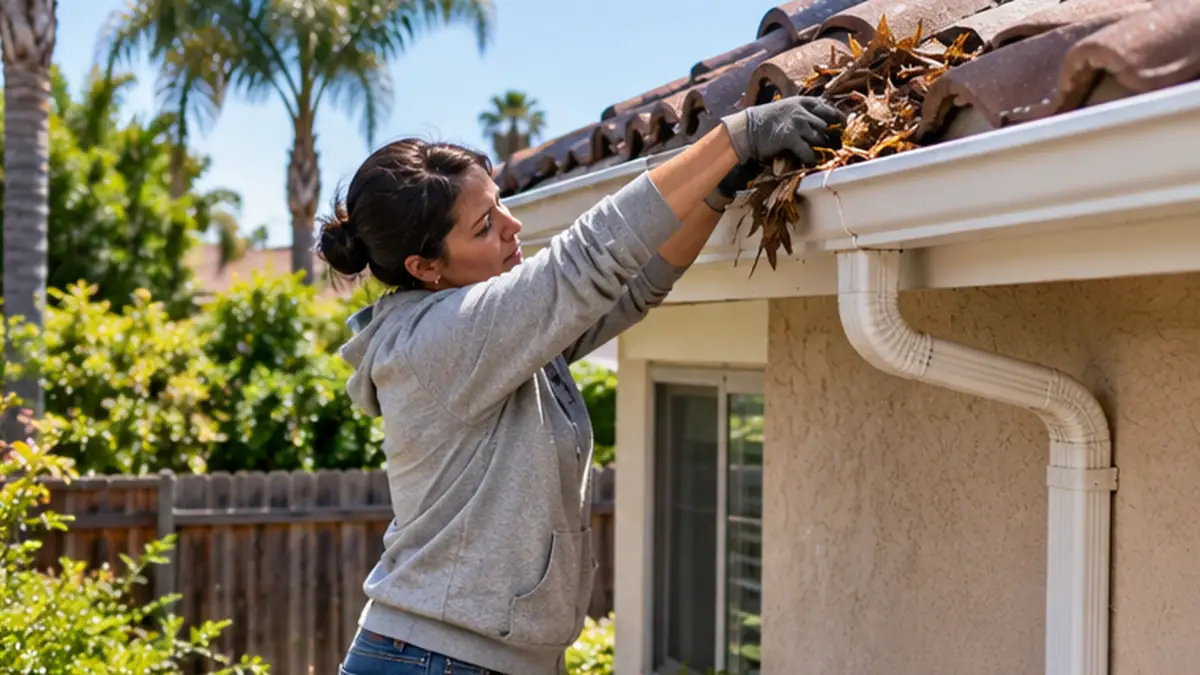
Extraction vs. DryingUnderstand the difference between removing liquid water and drying moisture held inside building materials.
Read the Guide →
Mitigation GuideLearn how mitigation limits additional damage and how it fits into the broader restoration process.
Read the Guide →
Damage PreventionSee how source control, extraction, moisture assessment and drying help reduce additional property damage.
Read the Guide →
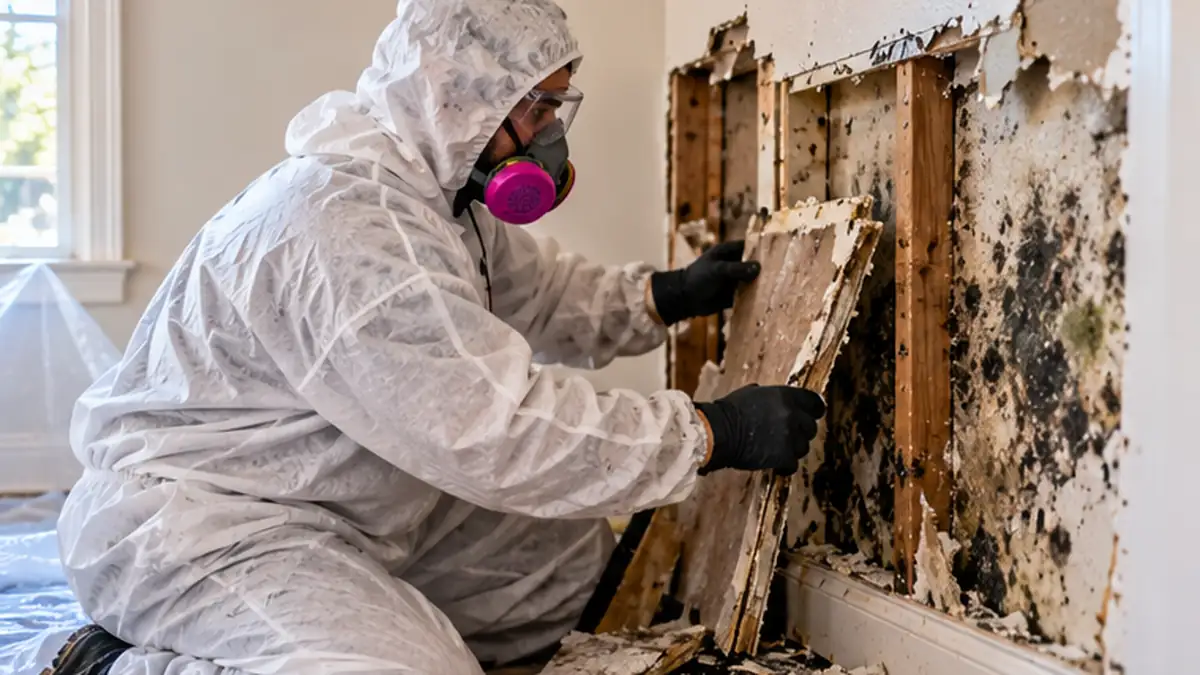
Structural Drying GuideLearn which materials, moisture conditions and drying factors influence how long structural drying takes.
Read the Guide →
Water Damage Guide
Practical guidance for property owners, with contextual links to relevant restoration services and related guides.
Read guide →
Water Damage Guide
Practical guidance for property owners, with contextual links to relevant restoration services and related guides.
Read guide →
Water Damage Guide
Practical guidance for property owners, with contextual links to relevant restoration services and related guides.
Read guide →
Water Damage Guide
Practical guidance for property owners, with contextual links to relevant restoration services and related guides.
Read guide →
Water Damage Guide
Practical guidance for property owners, with contextual links to relevant restoration services and related guides.
Read guide →
Water Damage Guide
Practical guidance for property owners, with contextual links to relevant restoration services and related guides.
Read guide →
Water Damage Guide
Practical guidance for property owners, with contextual links to relevant restoration services and related guides.
Read guide →
Water Damage Guide
Practical guidance for property owners, with contextual links to relevant restoration services and related guides.
Read guide →
Water Damage Guide
Practical guidance for property owners, with contextual links to relevant restoration services and related guides.
Read guide →
Water Damage Guide
Practical guidance for property owners, with contextual links to relevant restoration services and related guides.
Read guide →
Water Damage Guide
The most important mold-prevention step after water damage is moisture control. Stop the source when safe, remove recoverable water, dry wet materials promptly, and check concealed areas that may stay damp after surfaces look dry.
Read guide →
Water Damage Guide
After floodwater enters a home, put safety before cleanup. Avoid electrical and structural hazards, document conditions when safe, stop additional water entry if practical, and treat floodwater differently from a clean plumbing release.
Read guide →
Water Damage Guide
Before heavy rain, reduce avoidable water-entry risks: clear roof drainage, keep accessible drains unobstructed, move vulnerable items away from low areas, review local flood information, and know appropriate utility safety procedures.
Read guide →
Water Damage Guide
Not every wet property has the same kind of water event. External flooding, storm runoff, plumbing failures, appliance overflows and roof leaks can affect different materials and create different safety, cleanup and insurance questions.
Read guide →
Water Damage Guide
Professional restoration becomes more useful when water spreads beyond a small surface area, reaches walls or flooring assemblies, involves standing or contaminated water, creates hidden-moisture concerns, or cannot be dried promptly with household methods.
Read guide →
Learn when mold may require professional removal, how moisture source, affected area, porous materials, contamination, and hidden growth affect the cleanup decision.
Read the Guide →
Understand when mold-affected drywall may need removal, why moisture behind drywall matters, and how porous gypsum and paper surfaces affect mold cleanup decisions.
Read the Guide →
A practical guide to what to do after a house fire in Oxnard, including safe re-entry, documentation, soot and smoke, firefighting water, insurance records, and restoration.
Read the Guide →
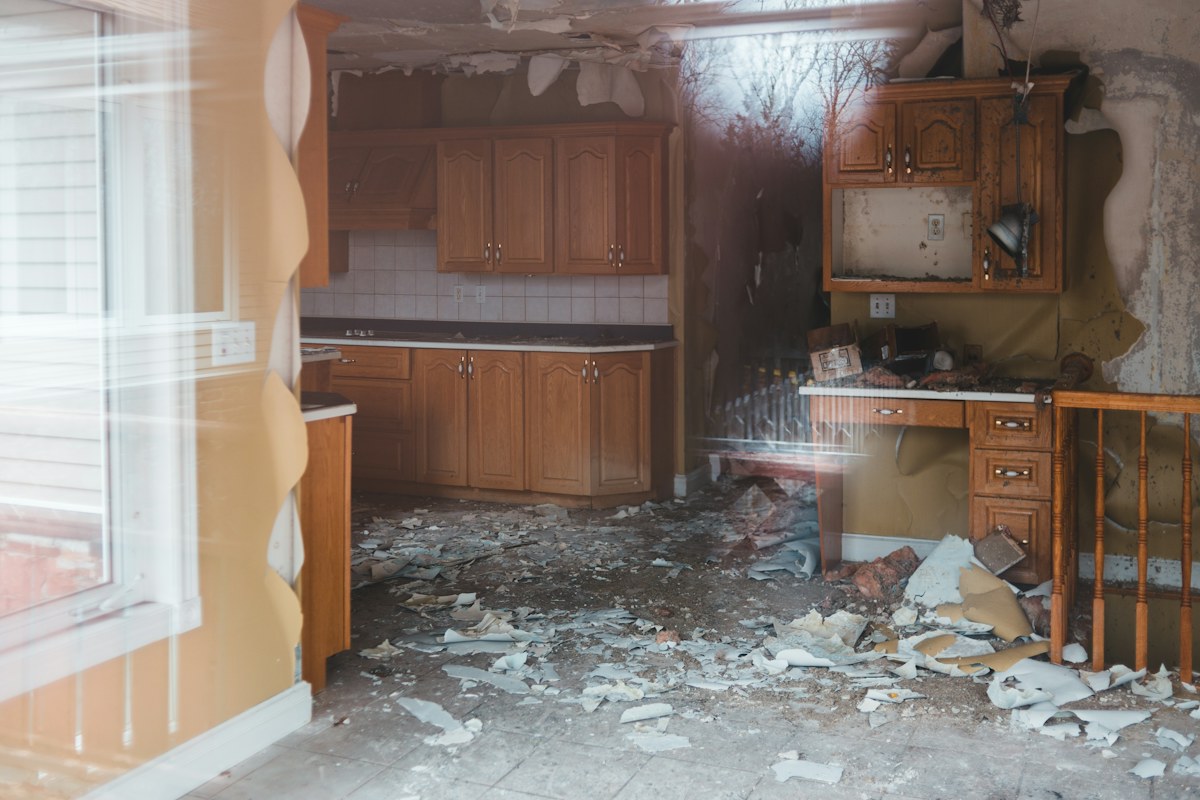
Learn how smoke and soot affect walls, ceilings, contents, and porous materials after a house fire, why cleanup methods differ, and how professional fire restoration fits.
Read the Guide →
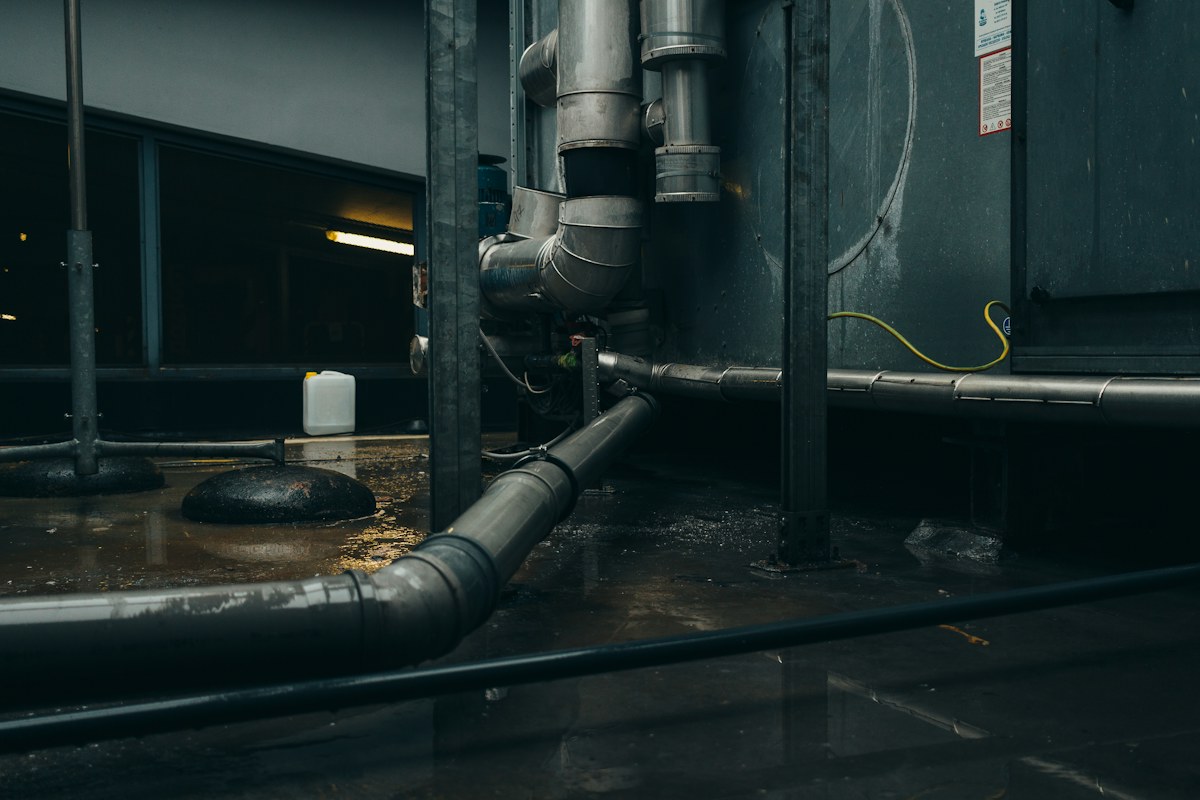
Learn why standing water should be addressed promptly and what can remain wet after visible water is removed.
Read the Guide →
Understand the main steps used to limit additional damage and stabilize a property after water intrusion.
Read the Guide →
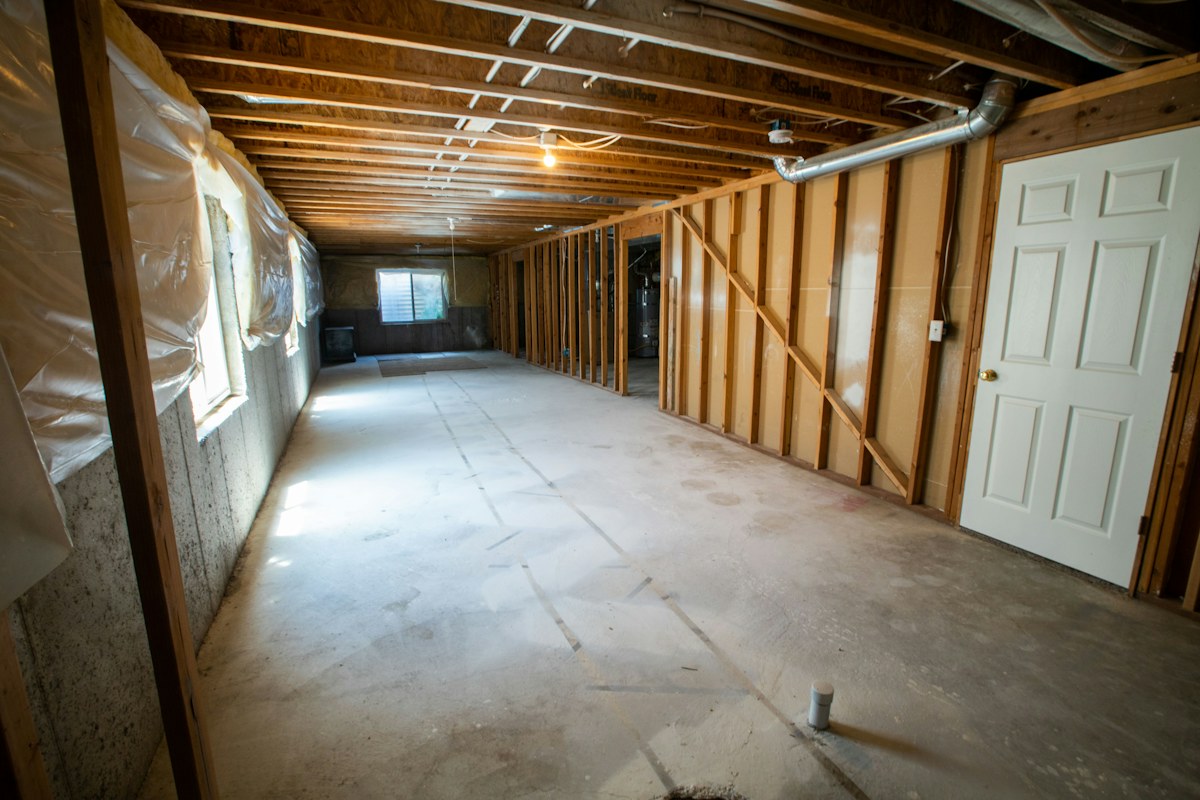
Learn how moisture readings and material conditions are used to judge drying progress.
Read the Guide →
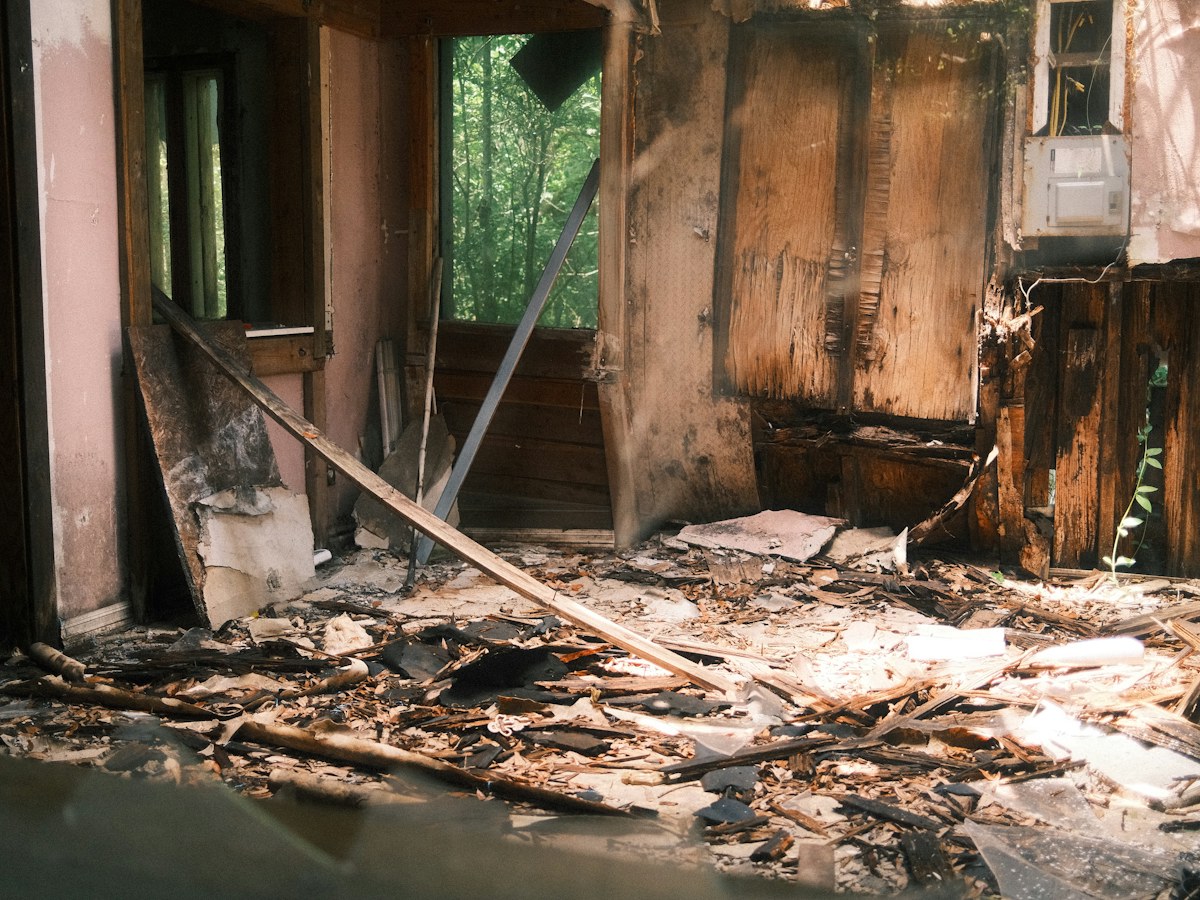
Understand when flood cleanup may be unsafe and why outdoor floodwater needs extra caution.
Read the Guide →
Learn how firefighting water can affect flooring, walls and structural materials after a fire.
Read the Guide →
Learn what can suggest concealed moisture or mold and when wall cavities may need assessment.
Read the Guide →
Learn how carpet, padding and the floor beneath can hold different amounts of water—and why surface extraction may not be the end of the job.
Read the Guide →
Understand how water reaches subflooring, what affects drying and which material conditions can change the repair decision.
Read the Guide →
Learn what pumps, extractors, floor tools, wet vacuums and moisture instruments do—and why they are not interchangeable.
Read the Guide →
See how water source, spread, materials, access and hidden moisture shape the extraction plan.
Read the Guide →
Learn when limited household cleanup may be reasonable and when electrical, contamination or hidden-moisture risks make professional help more appropriate.
Read the Guide →
Understand the practical factors that change an extraction estimate, including water volume, materials, access, contamination and follow-up drying.
Read the Guide →
what affects a water mitigation timeline, what usually happens first, and why extraction, stabilization, drying and monitoring can take different amounts of time.
Read the Guide →
the main factors that affect water mitigation scope and cost, including water source, affected materials, access, extraction, drying, contents handling and monitoring.
Read the Guide →
how to document, move and protect furniture, electronics, documents and other belongings during water mitigation without spreading contamination or creating new hazards.
Read the Guide →
why a supply-line leak, appliance overflow, roof intrusion, sewage backup and outdoor floodwater can require different water mitigation decisions.
Read the Guide →
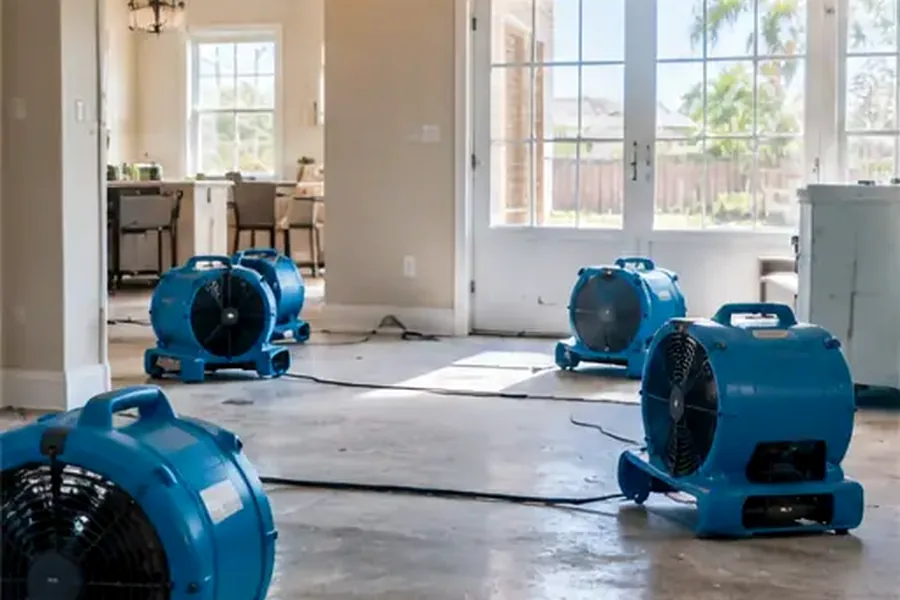
Understand how air movers, dehumidifiers, temperature and moisture readings work together to dry water-affected materials.
Read the Guide →
See why material saturation, access, equipment, monitoring and removal decisions change the scope of structural drying.
Read the Guide →
Learn when wet studs and framing lumber may be dried, when further evaluation is needed and how moisture is verified.
Read the Guide →Tell us what happened, what is wet and which areas are affected.
Our Services
Explore focused services for water, flood, fire and mold-related property damage.
Cleanup and restoration planning for fire, smoke, soot and firefighting-water damage.
Learn More →Moisture-focused removal and cleanup of mold-affected materials in Oxnard properties.
Learn More →