
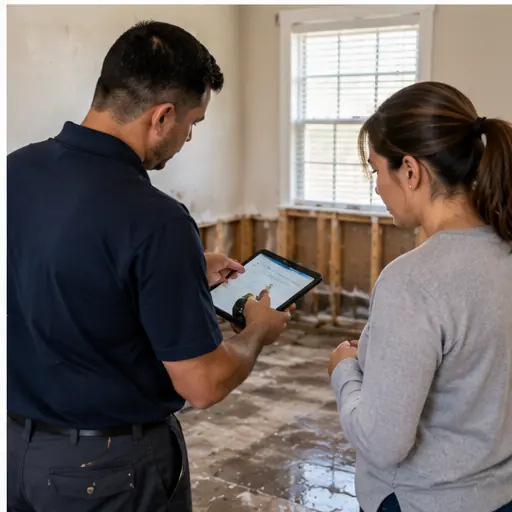
1. Document Before Moving Items When It Is Safe
Photos or video can preserve the condition and location of belongings before cleanup changes the scene. Capture the wider room and closer views of visibly affected items when doing so does not put you at risk.
California insurance guidance encourages property owners to document losses and keep records. Documentation should never require entering an unsafe area.
2. Move Unaffected Belongings Away From Active Water
If the area is safe and the items are dry, moving vulnerable belongings away from an active leak or wet zone can help reduce additional exposure. This can include paper records, boxed items, textiles and small furnishings.
FEMA preparedness guidance recommends storing important documents and valuables in protected locations and keeping copies of critical records.
3. Do Not Treat Wet Electrical Items Like Ordinary Contents
Electronics, power strips, appliances and cords that have been exposed to water can present electrical hazards. Do not plug in, test or handle energized equipment in standing water.
If electrical safety is uncertain, stop and use qualified electrical help rather than trying to save an item immediately.
4. Water Source Matters Before You Move Wet Contents
A wet chair from a clean indoor leak is a different handling problem from an item exposed to sewage or outdoor floodwater. EPA guidance for flood cleanup emphasizes protective equipment, isolating affected areas and preventing contaminated material from spreading into clean areas.
For source-specific decisions, see how the water source changes a mitigation plan.
5. Furniture Can Hide Moisture Beneath and Behind It
Large furniture can prevent access to wet flooring and trap moisture against walls. Moving or lifting items may be useful when it can be done safely, but heavy pieces, unstable furniture and saturated materials can create lifting and slip hazards.
The goal is to improve access without causing injury or spreading water into unaffected areas.
6. Paper, Books and Important Documents Need Special Handling
EPA guidance notes that ordinary water-damaged papers may not always be salvageable and that valuable or important items can require different handling, including copying or specialized drying methods.
Do not assume that a wet document is automatically lost—or that it should be placed next to dry papers where moisture can spread.
7. Separate Clean Areas From Wet Work Areas
Keeping unaffected belongings away from demolition debris, wet materials and contaminated contents can reduce unnecessary exposure. EPA flood guidance describes using plastic sheeting to isolate unaffected areas during contaminated cleanup.
Even in a smaller indoor loss, the principle is useful: organize clean and wet zones so the work does not create a bigger mess.
8. Contents Handling Can Change the Mitigation Scope
A room filled with furniture, boxes or business inventory may require more labor and planning than an empty room. Contents may need to be moved, protected, documented or staged before floors and walls can be fully assessed.
That is one reason mitigation cost and scope cannot be estimated from room size alone.
9. Know When an Item Needs Specialist Attention
High-value documents, artwork, electronics, specialty textiles and irreplaceable items may need advice from a specialist rather than routine cleanup. A mitigation contractor should not promise restoration of a specialty item without the appropriate expertise.
The practical goal is to stabilize the property while avoiding unnecessary additional loss to contents.
Where This Topic Fits in the Water-Damage Process
Water Mitigation
Focuses on limiting additional damage and stabilizing affected areas after a water intrusion.
View Water Mitigation →Structural Drying
Addresses moisture retained in building materials after accessible water has been removed and the affected area has been stabilized.
View Structural Drying →Authoritative Guidance Used for This Guide
EPA flood guidance addresses isolating affected areas and handling wet materials; FEMA provides preparedness guidance for documents and valuables; California insurance guidance supports documenting losses and taking reasonable protective measures.
Quick Answers
If the area is safe and the furniture is easy to move without injury, protecting dry items from active water can be reasonable. Do not move heavy, unstable, electrically hazardous or contaminated items just to clear the room.
Do not plug in or test water-exposed electrical equipment on your own. Electrical safety should be evaluated appropriately before reuse.
Avoid doing so without a containment and handling plan. Flood- or sewage-affected items can spread contamination into unaffected areas.