Control the Source
If water is still entering the property, the source should be stopped or isolated when it is safe to do so. A plumbing failure may require a plumber.
Standing water from a pipe leak, appliance overflow, plumbing incident or indoor flooding can spread into flooring, baseboards, drywall and nearby rooms. Water extraction focuses on removing accessible unwanted water so the affected area can be evaluated and moved into the drying stage.
Oxnard AquaFix explains the process clearly: first understand the source and spread, then remove the water, check what remains wet, and determine what the property needs next.
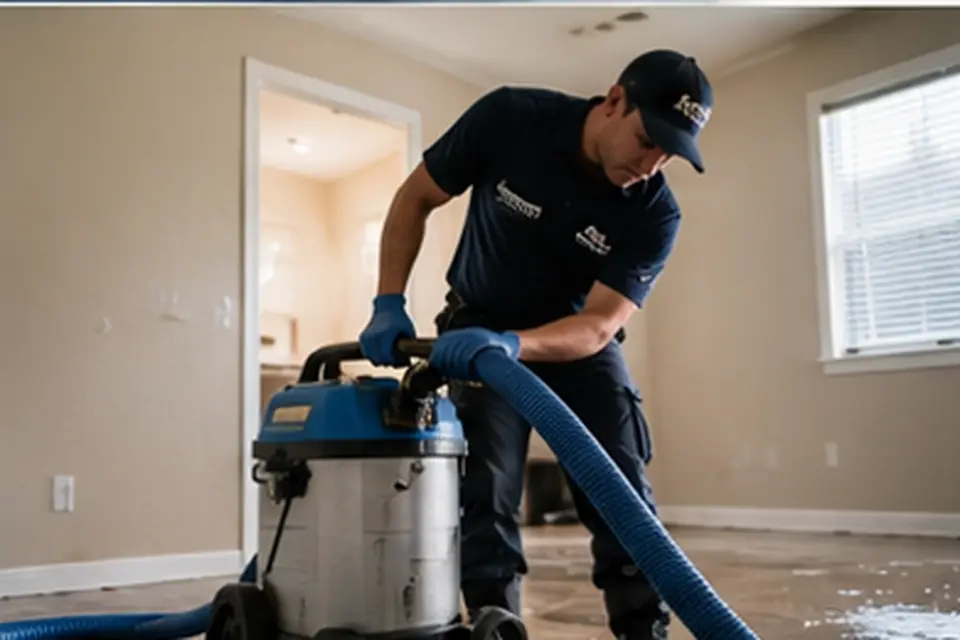
Removing standing water is an important early step because it reduces the amount of water available to continue spreading through absorbent materials. After extraction, the remaining moisture still needs to be understood.
If water is still entering the property, the source should be stopped or isolated when it is safe to do so. A plumbing failure may require a plumber.
Standing and pooled water is extracted from affected areas so the property can move toward moisture assessment and drying.
Flooring, walls, baseboards, cabinets and adjoining areas may remain wet even after the visible water is gone.
Extraction is followed by the drying or other restoration steps appropriate to the materials and conditions found.
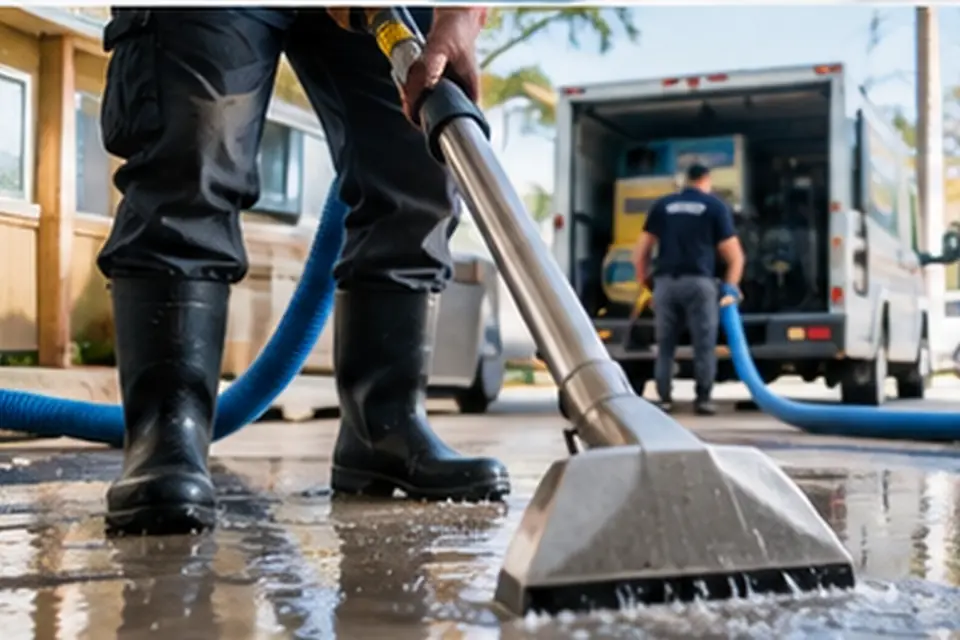
Water extraction removes accessible liquid water. Structural drying addresses moisture that remains in building materials and the surrounding environment after the bulk water is removed.
This distinction matters because a floor can look clear of standing water while moisture remains beneath flooring, in drywall, around cabinets or in other porous materials.
The exact approach depends on the amount and source of water, where it traveled, the materials involved and whether the area can be entered safely.
Identify the likely source, when the water was noticed and which rooms or surfaces are visibly affected.
Electrical hazards, contaminated water or unsafe building conditions can change how an affected area should be approached.
Appropriate extraction equipment is used to collect accessible water from the affected area.
The visible puddle is not always the boundary. Adjacent flooring, baseboards, walls and cabinets may need evaluation.
After bulk water is removed, the next question is what materials are still holding moisture and whether they can be dried.
Structural drying, cleaning, selective material removal or repair may follow depending on the actual conditions.
Water extraction is a service, not a diagnosis. The source of the water and the affected materials still matter when deciding what happens after removal.
A plumbing release can spread across floors and into nearby materials before the source is shut off.
Appliance water can travel beneath cabinets, flooring and adjoining rooms.
A failed tank or connection can release a substantial amount of water into garages, closets or interior areas.
The water source and contamination level affect how cleanup should be approached.
Rain or flood-related water requires attention to how water entered and what materials it contacted.
In multifamily properties, water can migrate through ceilings, walls and shared assemblies.


One of the most useful distinctions for a property owner is the difference between no visible standing water and materials that are actually dry. Porous materials can absorb water, and moisture may extend beyond the visible edge of a spill or flood.
That is why extraction should connect to moisture assessment rather than being treated as the entire restoration process.
Oxnard includes single-family homes, multifamily properties, commercial spaces and other building types where a water event can affect more than the room in which it started. The City of Oxnard also maintains official floodplain and flood-recovery resources for local property owners.
If the issue is a City water main, meter, hydrant or water-service emergency rather than water damage inside the property, Oxnard Public Works maintains its own water emergency reporting service. Interior extraction addresses unwanted water and resulting property conditions; it does not replace municipal utility response.
When water affects drywall, insulation, structural materials, electrical components or other building systems, later repairs can involve different requirements. The City provides guidance for flood-damaged structures and permit-related repairs.
There is no responsible single price or equipment list that applies to every water event. The work can change substantially depending on what happened and where the water traveled.
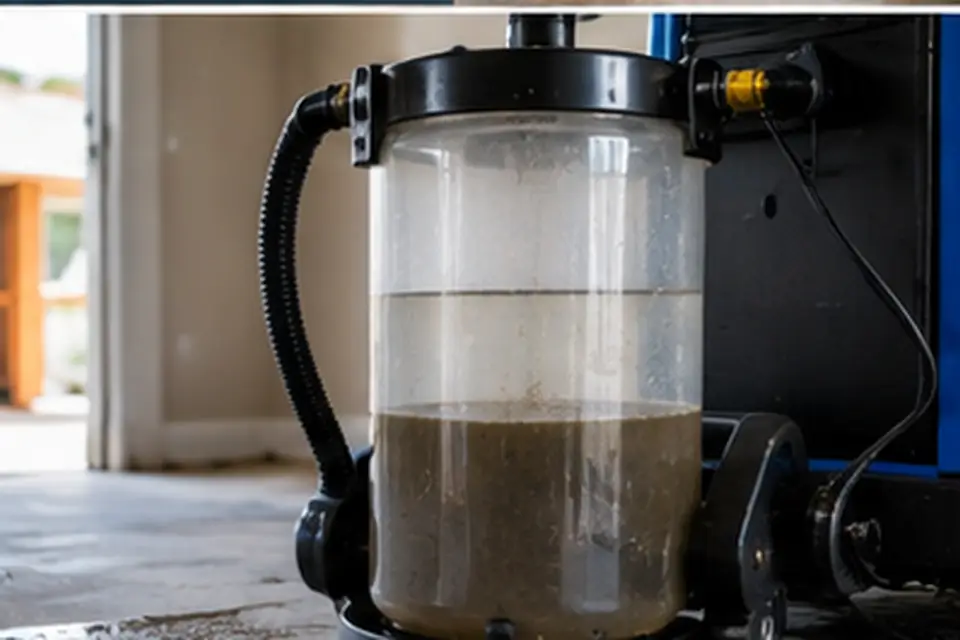
If insurance may be involved, photographs or video of the affected rooms, visible water, damaged materials and suspected source can help preserve a record of the event. Keep relevant receipts and records, and contact the insurer for policy-specific coverage decisions.
Capture the wider room and closer views of visible water or damage when it is safe to do so.
Note what happened and when the water was first discovered, if known.
Save relevant invoices, estimates and documentation connected with the loss.
Coverage depends on the policy and circumstances, so avoid assuming a particular water event is covered.
Water extraction is the removal of unwanted standing or pooled water from a property so affected areas can be evaluated and the drying process can begin.
No. Extraction is one part of the broader restoration process. Restoration can also involve moisture assessment, structural drying, cleaning, material decisions and repairs.
No. Water can remain in porous flooring, drywall, baseboards, cabinets and other materials after visible water is removed. Those areas may need further assessment and drying.
If an active plumbing failure is causing the water, the source needs to be stopped. A plumber may be needed to repair the pipe, valve, fixture or appliance connection while restoration addresses the resulting property damage.
It may be appropriate when an appliance releases enough water to leave standing water or saturated materials. The appliance or plumbing source should also be addressed.
The affected area can be checked for remaining moisture. Depending on the findings, structural drying, dehumidification, cleaning, selective material removal or other restoration work may follow.
Avoid unnecessary demolition unless safety requires immediate action. The correct decision depends on the material, water source, extent of saturation and whether the material can reasonably be dried or restored.
Coverage depends on the policy and cause of the water event. Document the loss and contact the insurer for a coverage determination rather than assuming extraction or restoration is covered.
You do not need to diagnose the full extent of the damage before requesting help. Share the source if known, the affected rooms and whether standing water is still present.
Oxnard AquaFix
630 Hill St, Oxnard, CA 93033