
1. A Clean Supply-Line Release Is Usually a Different Starting Point
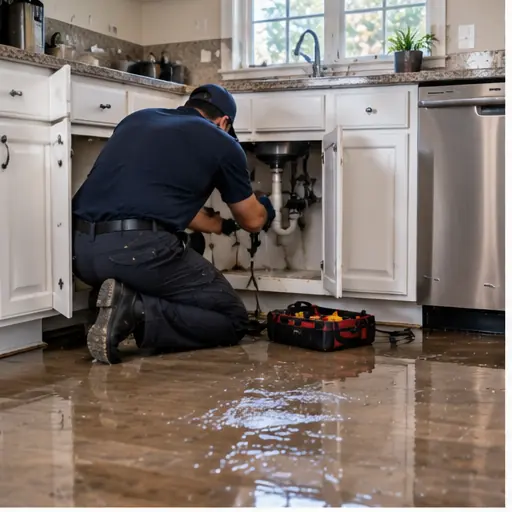
A recent release from a potable-water supply line can begin with source control, extraction, moisture mapping and drying when there are no additional contamination concerns. Even then, time and contact with building materials can change conditions.
Prompt action still matters because water can spread beneath flooring, into walls and around cabinets before the visible puddle becomes large.
2. Appliance Overflows Need the Actual Source Identified
A washing machine, dishwasher, refrigerator line or water heater can release water in different ways. A failed supply connection is not the same as water discharged from a drain or appliance cycle.
The appliance should be shut down safely, the source identified and the affected materials assessed before assuming what cleanup method is appropriate.
3. Roof and Rainwater Intrusion Can Pick Up Contaminants
Rainwater may enter through roofing, attic materials, insulation, ceilings or wall cavities before it reaches the room. By the time it is visible indoors, it may have contacted dust, building materials or other contaminants.
Mitigation therefore considers the path the water took, not just the fact that the original source was rain.
4. Sewage and Drain Backups Require More Caution
Water involving sewage or certain drain backups can carry biological contaminants. This changes personal protective equipment, cleaning, contents handling and material-removal decisions.
Do not treat a sewage-affected area like a routine clean-water spill or move contaminated materials casually through unaffected rooms.
5. Outdoor Floodwater Belongs in a Broader Flood-Cleanup Plan
EPA guidance warns that floodwater may contain sewage or chemicals and can hide electrical and physical hazards. Oxnard also maintains local flood preparedness and floodplain resources.
If outdoor water entered the building, use the Flood Cleanup in Oxnard guidance rather than assuming a standard indoor leak response.
6. Unknown Water Should Not Be Assumed Safe
Clear appearance does not identify the source. If you cannot tell whether water came from a supply line, drain, exterior source or another unit, the safer approach is to identify the source before deciding how to handle wet materials.
This is especially important when children, older adults or people with respiratory or immune-system concerns may be exposed to contaminated cleanup areas.
7. The Source Changes What Can Be Saved
Material type matters, but water source can override an otherwise reasonable drying plan. Porous materials exposed to contaminated water may need a different decision from the same materials affected by a recent clean-water release.
The existing save-or-remove guide explains why source, material and condition all belong in the decision.
8. The Source Also Changes Contents Handling
Belongings exposed to uncertain or contaminated water should be separated from clean items. Electronics and appliances also introduce electrical concerns when wet.
See protecting belongings during mitigation for practical contents-handling principles.
9. Source and Contamination Can Change Cost and Time
Additional protective measures, cleaning, material handling and access can change both the duration and scope of mitigation. That is why a useful estimate should identify the source rather than quote a generic water-damage price.
The related guides on mitigation cost factors and mitigation timeline explain those relationships.
10. Oxnard Context: Municipal Water Problems vs. Property Damage
If the issue is a City water main, meter, hydrant or public water-service emergency rather than damage inside the building, the City of Oxnard has its own water-problem reporting process.
Property mitigation addresses water that has affected the building. It does not replace municipal response to a public water-system problem.
Where This Topic Fits in the Water-Damage Process
Water Mitigation
Focuses on limiting additional damage and stabilizing affected areas after a water intrusion.
View Water Mitigation →Structural Drying
Addresses moisture retained in building materials after accessible water has been removed and the affected area has been stabilized.
View Structural Drying →Authoritative Guidance Used for This Guide
EPA distinguishes ordinary clean-water material response from flood cleanup and warns that floodwater can contain sewage or chemicals. Oxnard provides separate municipal water-problem and storm/flood resources for local residents.
Quick Answers
No. Appearance alone does not identify the source or what the water contacted. Identify the source before making cleanup assumptions.
Not automatically. Rainwater may travel through roofing, insulation, wall cavities or other materials before reaching the interior, so its path and the affected materials matter.
Outdoor floodwater can contain contamination and hidden hazards, so it should be approached under a broader flood-cleanup and safety plan.