
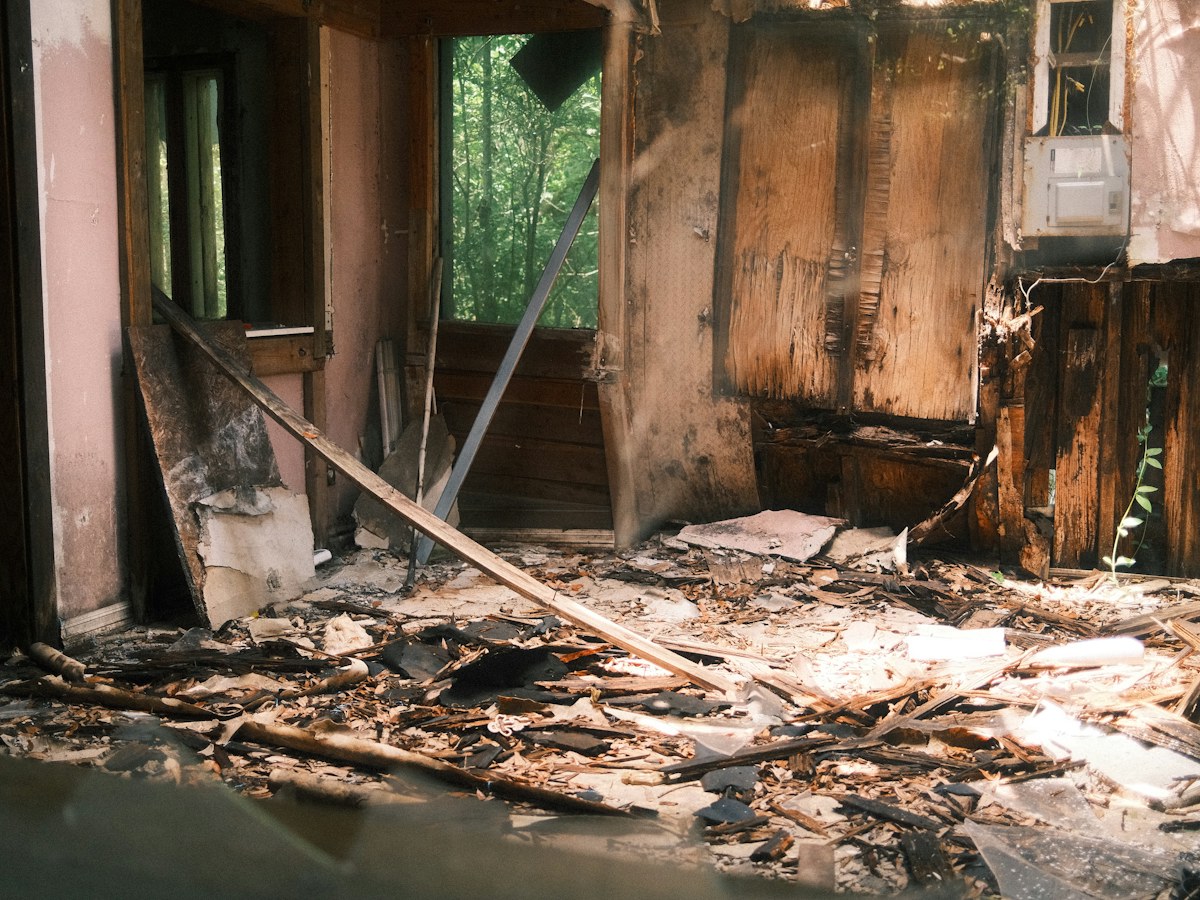
1. Safety Clearance Comes Before Cleanup
The U.S. Fire Administration advises checking with the fire department before entering a fire-damaged home because floors, walls and other building elements may not be as safe as they look. Hot debris, damaged electrical systems and unstable materials can remain dangerous after the flames are out.
2. Firefighting Water Can Travel Beyond the Burned Room
Water used during suppression can move through floor openings, wall cavities, ceilings and stairways. A lower room may be wet even when it was not directly affected by flames. This is why fire damage restoration in Oxnard often needs to evaluate both fire-related residues and moisture.
3. Document Fire, Smoke and Water Conditions Together
Photograph the fire-damaged areas, visible soot, water lines, wet materials and affected belongings when it is safe to do so. USFA recovery guidance recommends contacting the insurer and keeping records and receipts related to the fire loss. California insurance guidance also emphasizes protecting property from further damage after a loss.
4. Remove Recoverable Water Before It Spreads Further
If significant firefighting water remains, water extraction can reduce the amount available to soak into flooring, framing and contents. Extraction should be coordinated with the fire-damage condition; the room may contain debris, soot and damaged materials that affect how the work is approached.
5. Soot and Water Create a More Complicated Cleanup
Wet soot can smear and spread if surfaces are handled without the right method. Porous materials may contain both moisture and smoke residues. Cleanup therefore needs sequencing: stabilize the building, control water, protect areas from cross-contamination, then address soot and smoke according to the material involved.
6. Structural Drying May Be Needed After Suppression
Removing visible water does not guarantee that wall cavities, framing, subfloors or ceilings are dry. Structural drying may be needed for water-retaining materials that are suitable to remain after the fire-damage assessment.
7. Some Materials Need Removal for Fire Reasons, Not Just Water Reasons
A material may be wet but otherwise salvageable in a typical plumbing loss, yet still require removal because it is charred, heavily smoke-damaged or contaminated with residues. Fire and water decisions should be made together so one cleanup process does not work against the other.
8. Odor Control Comes After the Source Materials Are Addressed
Smoke odor can remain in porous materials and concealed spaces. Deodorizing a room before soot, damaged contents and affected building materials are addressed may only mask part of the problem. The restoration sequence should focus on source removal and cleaning before final odor treatment.
9. Repairs Should Wait Until the Property Is Stable and Dry
New drywall, flooring and paint should not hide unresolved moisture or smoke residues. Reconstruction is more effective after the damaged area has been cleaned, dried and evaluated for what can remain.
10. What Oxnard Property Owners Should Keep in One Recovery File
- Fire department and incident information when available.
- Photos and videos of fire, smoke, soot and water damage.
- Lists of affected belongings.
- Receipts for reasonable emergency measures.
- Insurance communications and claim documents.
- Notes about temporary drying, extraction and cleanup steps.
11. Contents Can Have Both Smoke and Water Exposure
Furniture, textiles, electronics, documents and stored belongings may be affected by more than one type of damage. An item may be wet from suppression water while also carrying soot or smoke odor. Salvage decisions should consider both conditions together instead of treating the item as only wet or only smoke-damaged.
12. Why Fire Recovery Benefits From One Coordinated Scope
Fire, smoke, soot and water work can overlap in the same room. A coordinated plan reduces the chance that one task interferes with another—for example, disturbing soot during water removal or rebuilding before moisture is controlled. The clearer the sequence, the easier it is to document what was cleaned, dried, removed and repaired.
Authoritative Guidance Used for This Guide
USFA provides post-fire safety and recovery guidance, California insurance guidance addresses loss documentation and property protection, and EPA guidance supports prompt moisture control when firefighting water affects building materials.
Our Services
Restoration Services for Oxnard Properties
Explore focused services for water, flood, fire and mold-related property damage.
Fire Damage Restoration
Cleanup and restoration planning for fire, smoke, soot and firefighting-water damage.
Learn More →Mold Removal
Moisture-focused removal and cleanup of mold-affected materials in Oxnard properties.
Learn More →Quick Answers
Fire suppression commonly introduces water into the property. That water can move beyond the burned room into floors, ceilings and wall assemblies.
The sequence depends on safety and property conditions, but significant recoverable water generally needs prompt attention while soot and fire-damage cleanup are coordinated around it.
Persistent moisture can create conditions that support mold growth. Prompt drying and moisture control are important after suppression water affects building materials.