

Quick Answer
Roof-leak coverage depends on why water entered and the policy language. Document the suspected opening and interior damage when safe, prevent additional water entry, and ask the insurer what cause and policy provision it is applying.
A Roof Leak Is a Symptom; the Cause Drives the Insurance Question
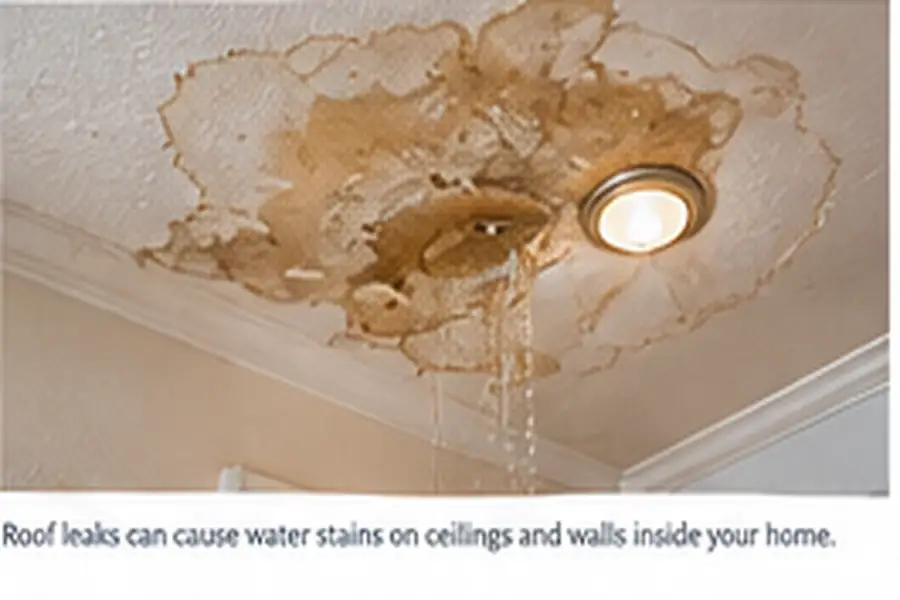
Interior staining tells you water entered the building, but not why. Wind damage, damaged flashing, an aging roof surface, an opening around a penetration or a long-standing maintenance problem can produce similar interior symptoms. The insurer evaluates the cause against the policy.
California DOI Provides a Useful Example
California DOI says homeowners policies may cover rain damage when rain enters through a hole in the roof or a broken window and the opening was caused by strong winds or another covered exposure listed in the policy. This is an example, not a promise that every roof leak is covered.

Document Exterior Evidence Without Taking Unsafe Risks
Do not climb onto a wet or damaged roof simply to obtain claim photographs. From a safe location, document visible exterior damage if possible. Save a roofer's or contractor's written findings about the source and keep photographs of any temporary covering or emergency repair.
Document the Interior Water Path
Photograph ceiling stains, dripping areas, wet walls, flooring and contents. Water can travel along framing before becoming visible, so the first stain may not sit directly below the exterior opening. Record where symptoms appeared without claiming a hidden path you have not verified.
Stop Additional Water Entry When Practical
California DOI advises property owners to make reasonable temporary repairs to prevent further damage and save receipts. Temporary protection should prioritize safety. Extensive permanent repairs are a different step and should be coordinated with the insurer and any applicable permit requirements.
Ceiling Cavities Can Stay Wet After Dripping Stops
Insulation, the back side of drywall, framing and adjacent wall cavities can retain moisture. EPA emphasizes prompt drying of wet materials, and its guidance recognizes that hidden surfaces can remain affected. A moisture assessment can help determine whether structural drying or selective access is needed.
When Drywall May Remain and When Removal Is Considered
Wet drywall is not automatically discarded. Material integrity, contamination, duration and the ability to dry the cavity matter. If drywall is swollen, deteriorated or prevents access to wet materials, removal may become more appropriate. Our wet-drywall guide explains these factors in more detail.
What to Ask Your Insurer
Ask what cause of loss it identified, which provision or exclusion it is applying, whether it needs an inspection before permanent roof or interior repair, what temporary work is authorized and what photographs, estimates or invoices should be submitted.
Oxnard Permit Considerations
Interior repair after a roof leak may involve drywall, electrical or structural work. Oxnard's flood-repair guidance shows that larger drywall areas and certain structural or electrical repairs can require permits; non-flood projects should likewise be checked against current Building Division requirements for the actual scope.
Keep Coverage and Drying Decisions Distinct
The carrier decides coverage. Restoration professionals assess moisture and drying needs. If wet materials are actively deteriorating, reasonable mitigation should be documented and coordinated rather than delayed solely because the claim decision is pending.
Related Guidance
Our ceiling-water-damage guide covers immediate safety and hidden moisture. Structural drying explains how retained moisture is removed, while the broader California insurance guide explains the difference between physical restoration needs and policy coverage.
Example: Ceiling Stain After a Storm
If a stain appears after wind and rain, photograph the stain, nearby walls and contents, plus exterior conditions from a safe location. A qualified roof professional can document the roof condition and any opening. Restoration assessment can then determine whether the ceiling cavity or adjacent materials remain wet. These records describe the event without deciding the insurance outcome.
Why Insulation Changes the Drying Question
Ceiling and wall insulation can hold moisture out of sight and can slow drying of adjacent materials. The appropriate response depends on insulation type, contamination, access and material condition. EPA water-damage guidance treats different materials differently, which is why a universal dry-it-all-in-place rule is not appropriate.
After the Roof Is Temporarily Protected
Stopping new rain entry does not remove moisture already inside. Check ceilings, walls and floors in the migration path, then use extraction or structural drying as appropriate. Continue documenting changes so temporary protection, moisture control and permanent repair remain distinct steps.
What If the Stain Appeared Before You Noticed Active Dripping?
Record exactly what you observed and when. A stain can indicate prior moisture, but its appearance alone does not establish how long water has been present or why it entered. Moisture assessment can identify current dampness; source diagnosis and policy interpretation are separate tasks.
Permanent Roof Repair Versus Interior Restoration
Temporary weather protection, permanent roof repair and interior water restoration are different scopes. Keeping estimates and invoices separated helps explain which work stopped new water entry and which work addressed moisture already inside the building.
Frequently Asked Questions
Should I Wait for the Adjuster Before Removing Standing Water?
Do not delay urgent safety measures or reasonable steps needed to prevent additional damage. Document conditions when safe, save records and ask the insurer how emergency mitigation should be reported.
Can a Restoration Company Tell Me Whether My Claim Is Covered?
A restoration company can document physical damage, moisture and work performed. The insurer applies the policy and determines coverage.
Why Are Moisture Readings Useful?
They can help define the affected area and track drying in materials that may look dry at the surface while retaining moisture internally.
Related Guides and Services
Continue with ceiling water-damage guide · Structural Drying · wet drywall guide · California insurance guide.
Authoritative Sources
California Department of Insurance Residential Property Claims Guide · U.S. EPA moisture guidance · City of Oxnard flood and recovery resources.