
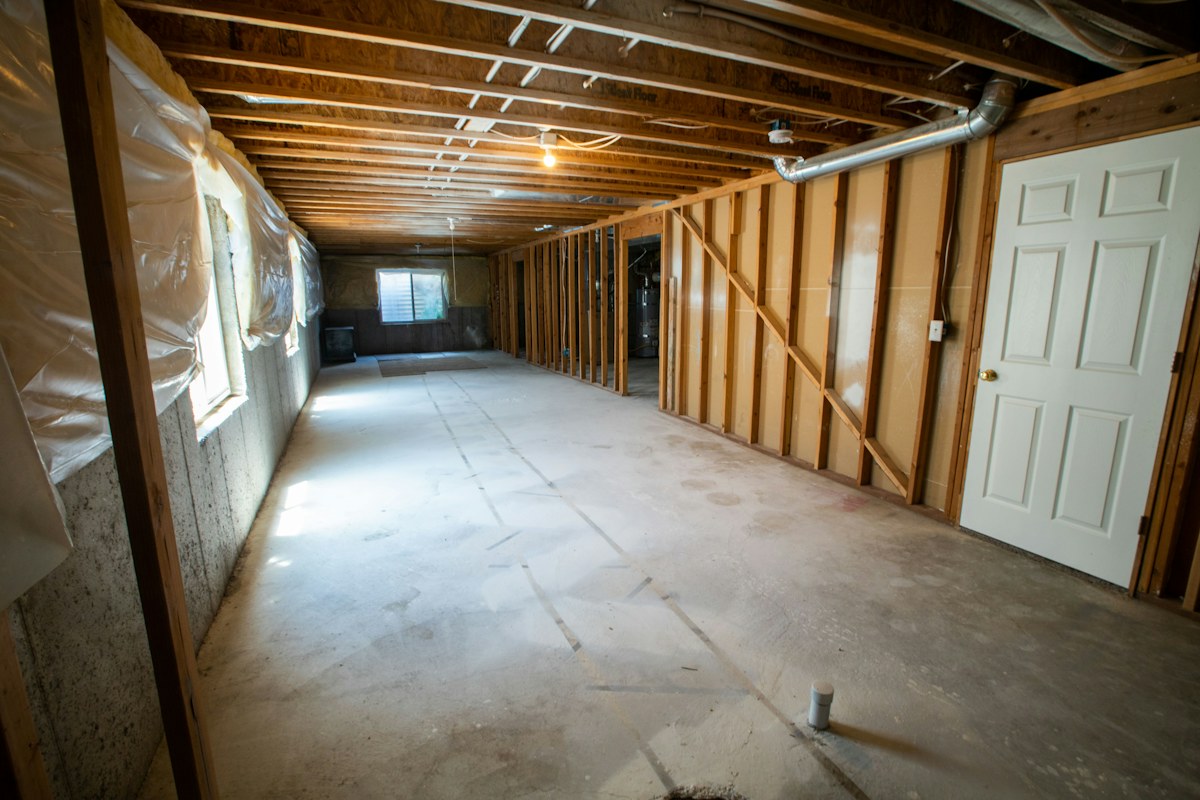
1. Floodwater Is Different From a Clean Indoor Leak
A broken supply line and outdoor floodwater may both leave a wet floor, but they do not create the same cleanup conditions. Floodwater can contact soil, sewage, debris and chemicals before entering a building. That difference affects personal protection, material decisions and how aggressively contaminated porous materials may need to be handled.
For Oxnard properties, flood cleanup should begin by identifying the source and understanding the safety conditions before anyone starts removing materials.
2. Do Not Enter Until Electrical and Structural Risks Are Considered
Standing water around outlets, appliances, electrical panels or damaged wiring can create serious hazards. Flooding can also weaken floors, walls or ceilings. If officials or emergency personnel have restricted access, wait until the property is cleared for re-entry.
3. Personal Protective Equipment Matters
EPA flood-recovery guidance recommends protective equipment for flooded homes because contaminated water, mold and debris may be present. Gloves, eye protection and appropriate respiratory protection may be necessary depending on the cleanup conditions. Children, pets and people not involved in cleanup should be kept away from affected areas.
4. Document Conditions Before Major Cleanup
If it is safe, photograph affected rooms, water lines, damaged finishes and belongings before significant cleanup changes the scene. California insurance guidance recommends protecting property from further damage and keeping records after a loss. Coverage questions depend on the policy and cause, so contact the insurer when a claim may be involved.
5. Remove Water Only When It Can Be Done Safely
Accessible standing water may need water extraction, but the method should fit the contamination level and property conditions. Equipment used in a clean plumbing loss may not be handled the same way in contaminated flood conditions.
6. Porous Materials Need Careful Decisions
Drywall, insulation, carpet pad, upholstered items and some composite materials can hold contaminated water. Whether they can be cleaned, dried or should be removed depends on the material and exposure. Flood cleanup should avoid both extremes: removing everything without assessment and trying to save materials that cannot be safely restored.
7. Drying Still Matters After Debris and Water Are Removed
Removing floodwater and damaged debris is not the end of the moisture problem. Framing, subfloors and adjacent assemblies may remain wet. Structural drying and moisture monitoring may be needed before repairs begin.
8. Watch for Mold After Flooding
EPA guidance advises prompt moisture control and says that if a flooded home could not be dried within 24–48 hours, mold growth should be assumed. Visible or suspected mold after flooding may require a different cleanup approach and can connect directly to mold removal decisions.
9. Oxnard Flood-Recovery Resources
The City of Oxnard states that parts of the city are at risk of flooding and provides flood-recovery resources, including building and mold-remediation information. Local guidance is especially useful when a flood leads to removal and rebuilding that may involve permits or inspections.
10. When Professional Flood Cleanup Makes Sense
Professional help becomes more important when water is contaminated, the affected area is large, electrical or structural conditions are uncertain, water has entered wall or floor assemblies, materials cannot be dried promptly, or the cleanup requires extensive removal and controlled drying.
11. Why Flood Cleanup Can Expand Beyond the First Room
Floodwater can move through doorways, wall bases, floor transitions and low points in the structure. Mud or debris may show where the water traveled, but moisture can extend farther than the visible residue. Adjoining rooms, closets and lower wall sections may need inspection even when they do not look heavily damaged at first glance.
12. Plan Cleanup and Repair as Separate Decisions
The first objective is safe cleanup, removal of damaged materials where appropriate and control of moisture. Repair comes later. Keeping those phases separate helps avoid reinstalling finishes before the structure is ready. In Oxnard, that distinction also matters because some flood-related repair work can involve local building requirements after the emergency cleanup phase is complete.
Authoritative Guidance Used for This Guide
EPA guidance explains that floodwater may carry sewage or chemicals and that cleanup can be dangerous. Oxnard provides local flood-recovery resources, while California insurance guidance addresses documentation and protecting property after a loss.
Our Services
Restoration Services for Oxnard Properties
Explore focused services for water, flood, fire and mold-related property damage.
Fire Damage Restoration
Cleanup and restoration planning for fire, smoke, soot and firefighting-water damage.
Learn More →Mold Removal
Moisture-focused removal and cleanup of mold-affected materials in Oxnard properties.
Learn More →Quick Answers
Not always. Outdoor floodwater may contain contaminants, and electrical or structural hazards can make cleanup unsafe.
The decision depends on contamination, saturation, material condition and whether the assembly can be safely cleaned and dried.
Yes, cleanup often needs to be followed by structural drying and moisture checks before repairs begin.