First, Treat the Water Heater as an Equipment and Safety Issue
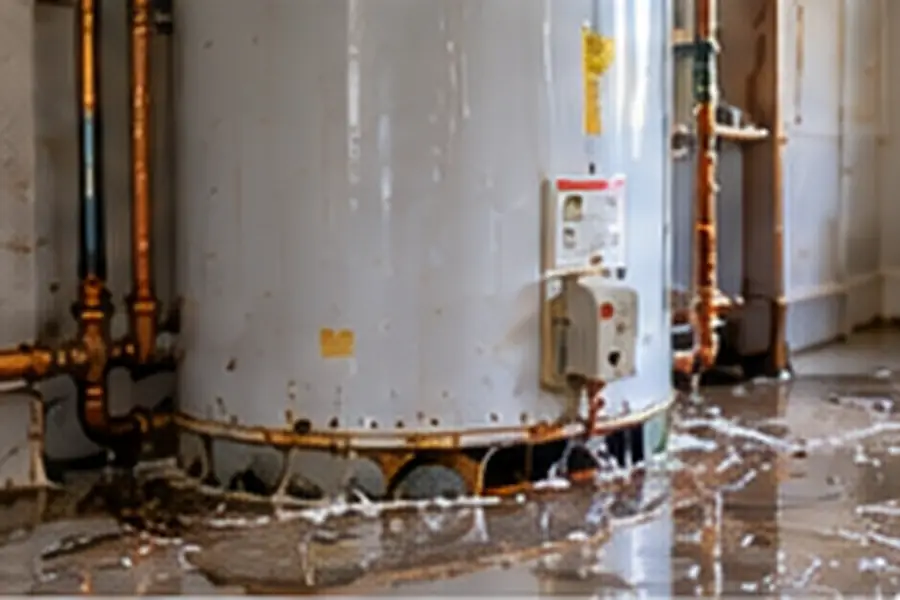
Water heaters involve pressurized water and may also involve electricity or gas. Do not attempt repairs beyond your knowledge. If the unit or surrounding area presents electrical, gas, steam, or structural hazards, keep clear and contact the appropriate qualified professional.
Stop Additional Water Only When It Is Safe
If the cold-water supply valve is accessible and you know how to operate it safely, closing it may limit additional release. If the valve is damaged, inaccessible, or the area is unsafe, do not take unnecessary risks. The water-heater failure itself may require plumbing or appliance expertise.
Then Evaluate Where the Released Water Went
A garage slab may look simple to dry, but water can reach stored contents, wall bottom plates, drywall, insulation, adjoining rooms, or flooring transitions. A heater in an interior closet or upper floor can create a more complex path, including damage below the source.
Standing Water, Absorbed Water, and Hidden Water Are Different Problems
Standing water can often be extracted. Absorbed moisture remains in porous materials. Hidden moisture may sit behind baseboards, beneath flooring, or inside walls. Effective restoration considers all three rather than stopping when the floor surface no longer looks wet.
Drying Decisions Depend on Materials
Concrete, tile, drywall, engineered wood, laminate, carpet, insulation, and cabinetry respond differently to water. Physical condition, saturation, cleanliness, and access affect whether materials can be dried in place or require further evaluation. Moisture measurements help replace guesswork with evidence.
Why Prompt Drying Matters
EPA moisture guidance recommends drying wet materials within about 24–48 hours where possible to help prevent mold growth. This does not mean every assembly will dry fully in two days. It means prompt water removal and controlled drying should begin rather than allowing moisture to remain.
Insurance Documentation After a Water-heater Loss
Photograph the unit, surrounding area, visible water path, damaged finishes, and belongings. California Department of Insurance consumer guidance distinguishes sudden and accidental water damage from excluded causes such as flood or long-term seepage in typical policies, while emphasizing that actual coverage depends on the individual contract.
Do Not Confuse a Home Warranty with Homeowners Insurance
California Department of Insurance materials explain that home protection contracts and homeowners insurance serve different purposes. A home protection contract may address certain equipment failures, while property damage may be handled differently. Review the applicable contracts and speak with the relevant provider rather than assuming one automatically covers the other.
How Oxnard AquaFix Supports the Property-recovery Side
For Oxnard properties, Oxnard AquaFix can address water extraction, mitigation, structural drying, and restoration after a water-heater event. Repair or replacement of the water heater itself remains a separate trade. Keeping those scopes clear helps homeowners understand who is responsible for each part of recovery.
Related Oxnard Water Damage Services
Depending on what became wet, the next step may involve water damage restoration water mitigation structural drying. The right service depends on whether the property has standing water, absorbed moisture, hidden moisture, or an urgent active loss.
Authoritative Resources Used for This Guide
This article is informed by public guidance from the U.S. Environmental Protection Agency on moisture and mold prevention, the California Department of Insurance on residential property claims and water-damage coverage considerations, and City of Oxnard flood-recovery resources. Policy coverage, permits, and property conditions vary, so use the applicable official guidance for your situation.
Water Damage in an Oxnard Property?
Oxnard AquaFix provides 24/7 emergency water damage restoration for properties in Oxnard, including ZIP codes 93030, 93031, 93032, 93033, 93034, 93035, and 93036.
Contact Us