Quick Answer
For insurance purposes, flood damage and other water damage are not interchangeable. California DOI says standard homeowners policies do not cover flood damage, while some other water losses may be covered depending on cause and policy terms.
Flood and Water Damage Describe Different Insurance Situations
In everyday conversation, people may call any unwanted water a flood. Insurance terminology is narrower. Water from a broken supply line, rain through a storm-created opening and water rising from outside the building are not automatically treated the same way. Correctly identifying the source helps both restoration planning and the insurance conversation.
California DOI’s Core Distinction
California DOI says homeowners policies do not cover flood damage but do cover other kinds of water damage, subject to the individual policy. It also explains that flood insurance can be purchased separately. Because exclusions and endorsements vary, property owners should ask the insurer which policy and provision applies to the actual event.
An Example of Other Water Damage
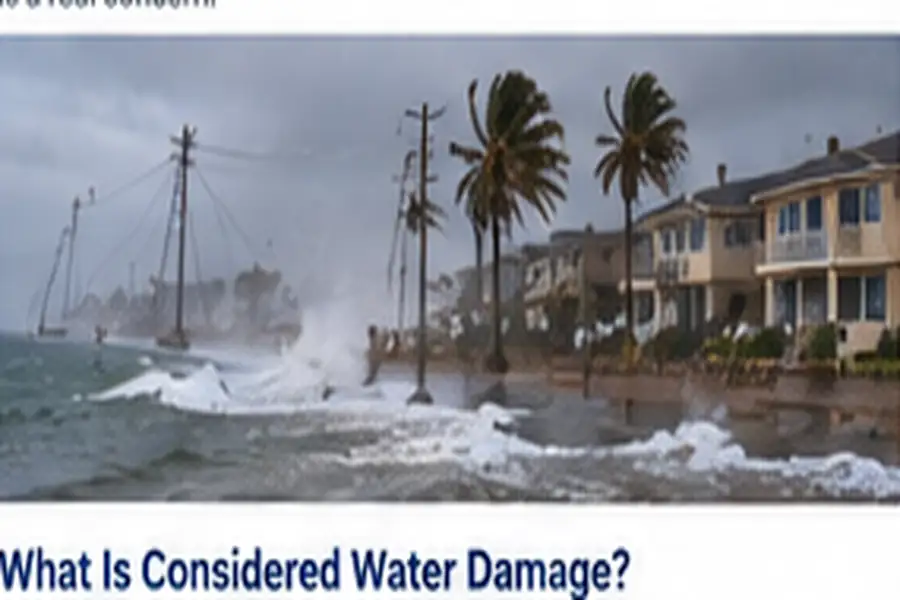
DOI gives the example of rain entering through a hole in a roof or broken window when the opening was caused by strong winds or another covered exposure. The important point is not that every roof leak is covered; it is that the cause of the opening matters. Aging, maintenance, repeated seepage and other circumstances can raise different questions.
Why This Distinction Matters in Oxnard
The City of Oxnard states that areas of the community are at risk of flooding and provides flood maps, insurance information and recovery guidance. A property owner dealing with stormwater or external floodwater should preserve information about where the water came from and consult the relevant insurance provider rather than treating the event as an ordinary indoor leak.
Flood Cleanup Can Also Differ Physically
External floodwater may carry soil, debris and contaminants. That affects safe entry, material handling and cleanup decisions. A clean-water plumbing release may allow a different response. The source and category of water should therefore influence restoration decisions as well as the insurance discussion.
Standing Water, Extraction and Drying
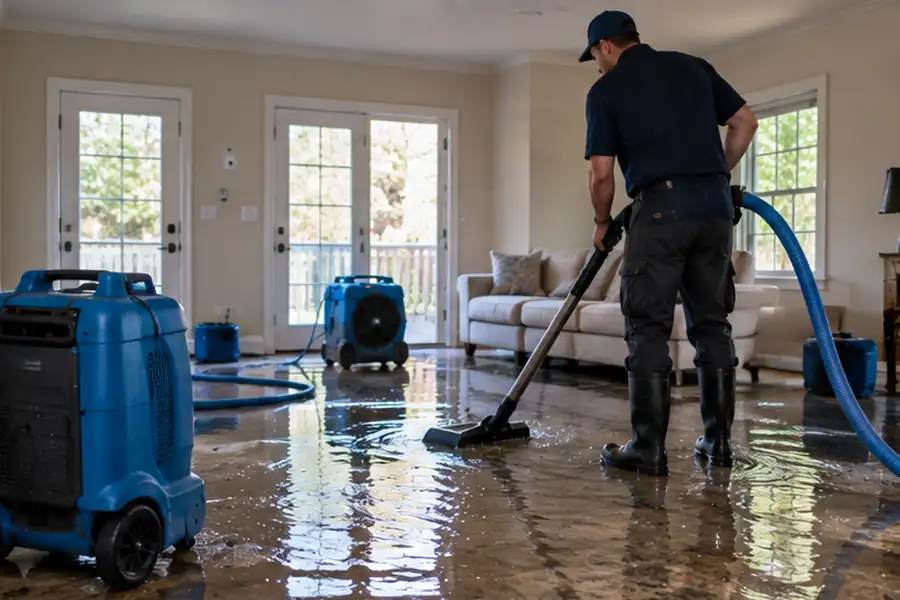
When safe access is established, recoverable standing water is typically addressed before structural drying. Extraction removes liquid water; drying addresses moisture held in porous materials and assemblies. EPA recommends drying water-damaged materials promptly, generally within 24–48 hours, to reduce mold-growth risk.
What to Photograph and Record
Capture the exterior or interior source when safe, water lines or debris patterns, affected rooms, damaged contents and materials removed during cleanup. Note the discovery time and weather or plumbing circumstances without overstating what you do not know. Keep receipts for temporary protection and cleanup.
Oxnard Flood-repair Permits
Oxnard's flood-damage restoration guidance says some minor work, such as limited drywall replacement under specified conditions, may not require a permit, while larger drywall repairs, structural wood, electrical work and certain mechanical replacements generally can. Damaged materials can be removed to begin drying before permits are obtained, but permitted reinstallation may require inspection.
Do Not Let the Insurance Label Delay Safety Work
If there is electrical danger, structural instability or potentially contaminated water, address safety first. Necessary measures to stop additional damage should be documented, not postponed merely to preserve the scene. California DOI specifically advises reasonable steps to protect property after a loss.
Questions to Ask After a Flood-related Loss
Ask whether you have a separate flood policy, which carrier should receive notice, what evidence is required, whether an adjuster needs to inspect before permanent repair, and how emergency cleanup should be documented. For non-flood water damage, ask which homeowners-policy provision the carrier believes applies.
Connect the Insurance Question to the Restoration Plan
Our flood cleanup page addresses the physical cleanup process. Water extraction covers liquid removal, while structural drying covers retained moisture. Keeping those scopes clear helps avoid confusing restoration terminology with insurance coverage terminology.
Example: Street or Yard Water Enters the Home
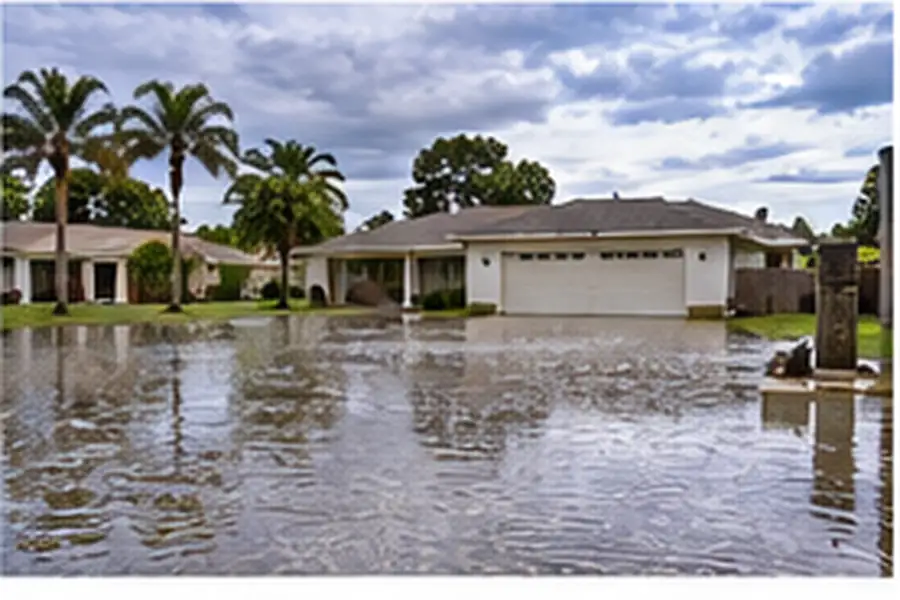
If water accumulates outside and moves into a home at floor level, document exterior conditions from a safe location, the apparent entry points, interior water lines and debris. Do not call the event a plumbing leak simply because water ended up indoors. Report the facts to the appropriate insurer and ask whether a flood policy or another policy should handle the notice.
Example: Rain Enters After Wind Damages an Opening
This presents a different set of facts. California DOI specifically uses rain entering through an opening caused by a covered exposure as an example of other water damage that may be covered. The carrier still evaluates the actual cause and policy. Photograph the opening when safe, temporary protection, and resulting interior damage.
A Useful Rule for Terminology
Describe the source as precisely as the evidence allows: external floodwater, plumbing release, rain through an opening, appliance overflow or unknown source. Precise wording helps the restoration plan and reduces confusion when speaking with an insurer. If the source has not been confirmed, say that rather than choosing an insurance label.
Why Cleanup Records Still Matter After the Water Is Gone
Flood or other water can leave affected materials after standing water has been removed. Photographs of extraction, removed materials and drying conditions help preserve the physical story of the loss. Keep those records with the claim file even when the room later looks normal.
Frequently Asked Questions
Should I Wait for the Adjuster Before Removing Standing Water?
Do not delay urgent safety measures or reasonable steps needed to prevent additional damage. Document conditions when safe, save records and ask the insurer how emergency mitigation should be reported.
Can a Restoration Company Tell Me Whether My Claim Is Covered?
A restoration company can document physical damage, moisture and work performed. The insurer applies the policy and determines coverage.
Why Are Moisture Readings Useful?
They can help define the affected area and track drying in materials that may look dry at the surface while retaining moisture internally.
Related Guides and Services
Continue with Flood Cleanup · Water Extraction · California homeowners insurance guide · claim documentation guide.
Authoritative Sources
California Department of Insurance Residential Property Claims Guide · U.S. EPA moisture guidance · City of Oxnard flood and recovery resources.